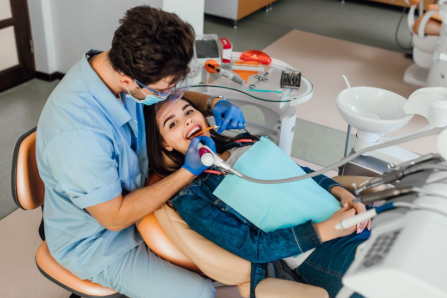
It may seem unlikely, but even well-maintained dental clinics can experience persistent pest problems. A clinic can follow strict sterilisation protocols, maintain spotless treatment rooms, and still struggle with hidden infestations. Patients seeking urgent dental care expect a controlled and hygienic environment, especially when visiting an emergency dentist in Sydney.
However, clinical cleanliness and pest prevention are not the same. Hygiene protocols are designed to eliminate bacteria and prevent infection, but they do not always address the environmental factors that attract pests. This creates a gap where clinics appear clean on the surface but remain vulnerable behind the scenes.
Understanding this difference is essential for maintaining both patient safety and operational standards.
Why Hygiene Protocols Do Not Prevent Pest Activity
Dental clinics focus heavily on infection control. This includes sterilising instruments, disinfecting surfaces, and maintaining strict cleaning routines. These measures are essential for patient safety, but they are not designed to manage pest risks.
Pests are not attracted only to visible dirt. They respond to moisture, warmth, and small amounts of organic material. Even in a highly hygienic environment, microscopic residues from saliva, blood, or dental materials can accumulate in hidden areas.
Water is another key factor. Clinics rely on sinks, suction systems, and sterilisation equipment, all of which generate moisture. This creates conditions that support pest activity, especially in areas that are not regularly inspected. As a result, a clinic can meet all hygiene standards and still experience pest issues.
Overlooked Areas That Attract Pests
Many pest problems begin in areas that are not part of daily clinical focus. Waste bins are a common example. General waste and bio-waste can contain organic material that attracts pests if not handled carefully.
Staff break areas are another risk point. Food storage, crumbs, and spills create ideal conditions for insects and rodents. These areas often receive less attention compared to treatment rooms, making them more vulnerable.
Storage spaces also contribute to the problem. Cabinets filled with dental supplies and packaging can remain undisturbed for long periods, creating hidden harbourage points for pests. These are not signs of poor hygiene but rather overlooked aspects of routine operations.
How Building Structure Contributes to Pest Problems
The physical structure of a clinic plays a major role in pest activity. Plumbing systems are one of the most common entry points. Pipes, drains, and connections allow pests to move through the building, especially in shared or multi-unit properties.
False ceilings and wall cavities provide concealed pathways for pests to travel and nest. These spaces are rarely accessed, making detection difficult. Equipment layout can also create challenges. Fixed dental units, cabinetry, and narrow gaps can become inaccessible areas where pests remain undisturbed.
Even a well-designed clinic can have these vulnerabilities. Small cracks, vents, or openings are enough for pests to enter and establish themselves.
Why Pest Control Requires a Broader Approach
Addressing pest issues in a dental environment requires more than routine cleaning. This is where structured pest control becomes essential. Professional pest management focuses on identifying the root causes of infestations, not just the visible signs.
Regular inspections help detect activity in high-risk areas such as waste zones, storage spaces, and structural entry points. Preventive treatments reduce the likelihood of infestations developing, rather than reacting only after pests are seen.
For clinics treating patients, especially those visiting an emergency dentist in Sydney, maintaining a controlled environment is critical. Professional pest control ensures that both hygiene and environmental risks are managed together.
Risks to Patients and Clinic Operations
Pest activity in a dental clinic creates several risks. One of the most important is contamination. Pests such as cockroaches and flies can carry bacteria and transfer it onto surfaces and equipment, which compromises hygiene standards.
There is also the risk of equipment damage. Rodents can chew through wiring or materials, leading to costly repairs and interruptions to clinical operations.
Patient perception is another major concern. Even a single pest sighting can affect trust, regardless of how clean the clinic appears. In environments where patients seek urgent care, such as emergency dental visits, maintaining confidence is essential.
Compliance is also a factor. Healthcare facilities are required to meet strict standards, and pest issues can lead to regulatory concerns if not addressed properly.
See also: How Metal Enclosed Switchgear Supports Reliable Power in Commercial Buildings
The Role of Environmental and Hygiene Management
Effective pest control depends on managing both environmental and hygiene factors. Waste handling is a key component. Sealed bins, regular disposal, and proper storage reduce the availability of food sources for pests.
Moisture control is equally important. Fixing leaks, improving ventilation, and maintaining dry conditions limit the environments where pests can thrive.
Routine monitoring ensures that potential issues are identified early. Combining these practices with professional pest control creates a comprehensive approach that addresses both immediate and long-term risks.
Why Proactive Management Is Essential
Waiting for visible pest activity is not an effective strategy. By the time pests are seen, the infestation is often already established. Proactive management focuses on prevention rather than reaction.
Regular inspections, structural maintenance, and environmental control help reduce the likelihood of infestations developing. This approach ensures that clinics remain safe, compliant, and prepared to provide high-quality care.
For facilities that handle urgent cases, maintaining these standards is even more critical. Patients visiting an emergency dentist in Sydney rely on a safe and controlled environment, making proactive pest management an essential part of operations.
Conclusion
Strict hygiene protocols are essential in dental clinics, but they do not eliminate pest risks on their own. Clean surfaces and sterilised equipment address infection control, while pest prevention requires attention to environmental conditions and structural factors.
Understanding this distinction is key. Clinics that focus only on hygiene may overlook the conditions that allow pests to persist. A combined approach that includes pest control, building maintenance, and proper waste management provides a more effective solution.
Maintaining a truly controlled environment requires looking beyond visible cleanliness and addressing the hidden factors that contribute to pest activity.
FAQs
1. Why do clean dental clinics still experience pest problems?
Pests are attracted to moisture, warmth, and hidden food sources, not just visible dirt.
2. What areas in clinics are most vulnerable to pests?
Waste bins, staff break rooms, storage areas, and plumbing systems are high-risk zones.
3. Can pests affect patient safety?
Yes, pests can carry bacteria and contaminate surfaces, which can impact hygiene standards.
4. Why is pest control important in dental clinics?
It helps prevent infestations, maintain hygiene, and ensure compliance with health regulations.
5. How often should pest inspections be done?
Regular inspections, often quarterly or as recommended, help detect issues early.
6. What is the best way to prevent pest infestations?
A combination of waste management, moisture control, building maintenance, and professional pest control is most effective.