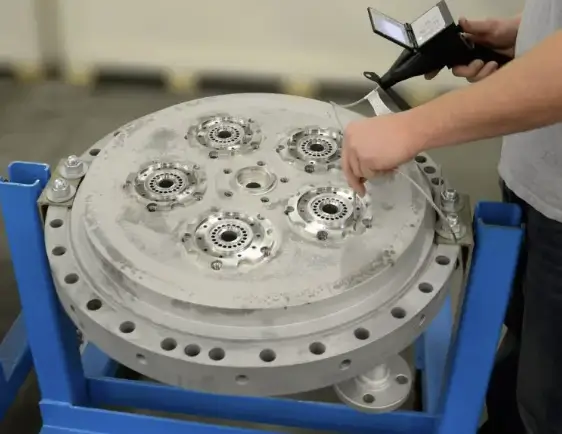
In modern turbine systems, performance and reliability depend heavily on the quality of combustion. Whether in gas turbines or combined-cycle power plants, stable combustion ensures efficient energy conversion, reduced emissions, and safe operation. At the center of this process lies a small yet critical component—the fuel nozzle.
Fuel nozzles are responsible for delivering and atomizing fuel into the combustion chamber, directly influencing flame stability and overall turbine behavior. When these components are properly maintained, turbines operate smoothly and efficiently. However, when neglected, even minor nozzle issues can escalate into serious problems such as vibration, hot spots, and performance losses.
This is why fuel nozzle maintenance plays a vital role in ensuring combustion stability and optimizing turbine performance. For engineers and plant operators, understanding this connection is key to avoiding inefficiencies and maintaining operational excellence.
See also: Printed Paper Bags Explained: Eco-Friendly Packaging for Modern Businesses
The Role of Fuel Nozzles in Combustion Stability
Fuel nozzles control how fuel is introduced into the combustion chamber. Their primary function is to atomize liquid or gaseous fuel into fine droplets and distribute it evenly for proper mixing with air. This precise fuel-air mixture is essential for achieving a stable and controlled flame.
When fuel nozzles function correctly, they enable:
- Uniform combustion across the chamber
- Stable flame patterns
- Consistent temperature distribution
- Efficient energy release
Combustion stability is critical because fluctuations in the flame can lead to pressure oscillations, uneven heating, and mechanical stress. Even small deviations in fuel delivery can disrupt this balance, making the role of fuel nozzle maintenance indispensable.
How Fuel Nozzle Maintenance Ensures Proper Fuel-Air Mixing
One of the most important aspects of combustion is the ratio and mixing of fuel and air. Poor mixing leads to incomplete combustion, resulting in wasted fuel, higher emissions, and unstable operation.
Maintaining Optimal Atomization
Over time, fuel nozzles can accumulate deposits or experience wear that alters their spray characteristics. Maintenance processes such as cleaning and calibration restore proper atomization, ensuring that fuel is broken into fine droplets that mix effectively with air.
Preventing Flow Imbalances
In multi-nozzle systems, each nozzle must deliver fuel evenly. If one nozzle becomes partially blocked or worn, it can create an imbalance in fuel distribution. Regular fuel nozzle maintenance includes flow testing to ensure uniform delivery across all nozzles.
Supporting Consistent Combustion Conditions
Proper fuel-air mixing leads to consistent combustion conditions, which are essential for maintaining stable turbine operation. This consistency reduces the likelihood of sudden fluctuations or inefficiencies.
Combustion Instabilities: Causes and Consequences
Combustion instability is a major concern in turbine operations. It occurs when there are fluctuations in pressure, heat release, or flame behavior within the combustion chamber.
Common Causes Linked to Fuel Nozzles
- Clogged or partially blocked nozzles
- Carbon buildup altering spray patterns
- Uneven fuel distribution
- Wear or deformation of nozzle components
These issues disrupt the combustion process, leading to instability.
Effects of Combustion Instability
When combustion becomes unstable, the consequences can be severe:
1. Increased Vibration
Pressure fluctuations within the combustion chamber can cause mechanical vibrations. Over time, these vibrations can damage turbine components, including blades and bearings.
2. Hot Spots and Thermal Stress
Uneven fuel distribution can create localized hot spots, where temperatures exceed design limits. These hot spots accelerate material degradation and increase the risk of component failure.
3. Reduced Efficiency
Instability leads to incomplete combustion, meaning less energy is extracted from the fuel. This results in higher fuel consumption and lower overall efficiency.
4. Higher Emissions
Poor combustion increases emissions of pollutants such as NOx and CO, making it harder to meet environmental regulations.
The Link Between Fuel Nozzle Maintenance and Stable Flame Patterns
Stable flame patterns are essential for efficient and safe turbine operation. The shape, position, and intensity of the flame must remain consistent to avoid operational issues.
Role of Clean Nozzles
Clean fuel nozzles produce a uniform spray pattern, which helps maintain a steady flame. Deposits or blockages can distort this pattern, causing the flame to become unstable or uneven.
Importance of Calibration
Calibration ensures that each nozzle delivers fuel at the correct rate and pressure. This balance is critical for maintaining symmetry in the combustion chamber and preventing localized disturbances.
Minimizing Flame Oscillations
Regular fuel nozzle maintenance reduces the risk of flame oscillations, which are a common cause of combustion instability. By ensuring consistent fuel delivery, maintenance helps stabilize the combustion process.
Performance Impacts of Neglected Fuel Nozzles
Neglecting fuel nozzle maintenance can have a direct and measurable impact on turbine performance.
1. Decline in Power Output
Inefficient combustion reduces the amount of energy generated, leading to lower power output. This can affect plant productivity and profitability.
2. Increased Fuel Consumption
When combustion is incomplete or inefficient, more fuel is required to achieve the same output. This increases operational costs and reduces overall efficiency.
3. Accelerated Component Wear
Hot spots and vibrations caused by poor combustion place additional stress on turbine components. This accelerates wear and increases the likelihood of costly repairs.
4. Frequent Operational Interruptions
Combustion instability can trigger alarms, trips, or shutdowns. These interruptions not only disrupt operations but also lead to financial losses.
Key Maintenance Practices for Optimal Performance
To ensure combustion stability and maximize turbine performance, a structured maintenance approach is essential.
Routine Inspection
Regular inspections help identify early signs of wear, clogging, or damage. Detecting these issues early prevents them from escalating.
Advanced Cleaning Techniques
Methods such as ultrasonic cleaning effectively remove carbon deposits and contaminants, restoring nozzle performance without causing damage.
Flow Testing and Balancing
Flow testing ensures that each nozzle delivers the correct amount of fuel. Balancing fuel flow across all nozzles is critical for maintaining stable combustion.
Non-Destructive Testing (NDT)
NDT techniques help detect internal defects or cracks that may not be visible during visual inspections. Addressing these issues early improves reliability.
Scheduled Maintenance Intervals
Establishing regular maintenance schedules based on operating conditions and fuel quality ensures consistent performance and reduces the risk of unexpected failures.
Operational Stability and Long-Term Benefits
Consistent fuel nozzle maintenance provides several long-term benefits that go beyond immediate performance improvements.
Enhanced Reliability
Well-maintained nozzles reduce the risk of unexpected failures, ensuring reliable turbine operation.
Extended Equipment Life
By minimizing thermal stress and mechanical wear, maintenance helps extend the lifespan of both fuel nozzles and surrounding components.
Improved Operational Efficiency
Efficient combustion leads to better energy output and lower fuel consumption, improving overall plant efficiency.
Reduced Maintenance Costs
Preventive maintenance is far more cost-effective than reactive repairs. Addressing issues early reduces the need for expensive interventions.
The Role of Data and Monitoring
Modern turbine systems increasingly rely on data-driven insights to optimize performance.
Combustion Monitoring Systems
Advanced sensors and monitoring tools provide real-time data on combustion behavior, helping operators detect early signs of instability.
Predictive Maintenance
By analyzing performance data, operators can predict when maintenance is needed, reducing downtime and improving efficiency.
Integration with Maintenance Strategies
Combining data insights with regular fuel nozzle maintenance creates a proactive approach that enhances both performance and reliability.
Best Practices for Engineers and Operators
To maximize the impact of fuel nozzle maintenance, engineers and operators should adopt the following best practices:
- Monitor combustion performance regularly
- Address minor issues before they escalate
- Use high-quality fuels to reduce deposit formation
- Partner with experienced maintenance providers
- Maintain detailed records of maintenance activities
These practices ensure that maintenance efforts deliver consistent and measurable results.
Conclusion
Fuel nozzles play a critical role in determining combustion stability and turbine performance. Their ability to deliver fuel accurately and consistently directly impacts flame behavior, efficiency, and operational reliability.
Neglecting these components can lead to a range of issues, including vibration, hot spots, reduced efficiency, and increased emissions. On the other hand, prioritizing fuel nozzle maintenance ensures proper fuel-air mixing, stable flame patterns, and optimal turbine performance.
For engineers and plant operators, the message is clear: maintaining fuel nozzles is not just a routine task—it is a strategic approach to performance optimization and operational stability. By investing in consistent maintenance practices, organizations can achieve higher efficiency, lower costs, and more reliable turbine operations in the long run.