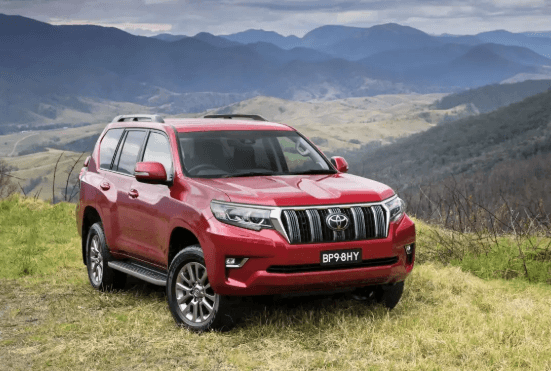
A vehicle can become more enjoyable to own when its appearance and equipment reflect the driver’s needs. For SUV owners, personalisation may involve refreshing exterior styling, replacing worn trim, improving practicality, or creating a more distinctive look for everyday driving. The Toyota Land Cruiser Prado offers a useful starting point because its substantial proportions and recognisable design can accommodate a range of carefully selected modifications.
However, successful vehicle customisation requires more than choosing parts that look attractive in photographs. Compatibility, build quality, installation methods, road regulations, and long-term maintenance all influence the outcome. By approaching the process methodically, owners can improve their vehicle’s appearance without introducing avoidable fitment or safety problems.
Start with a Clear Modification Plan
Before purchasing accessories, decide what you want to achieve. Some owners prefer a subtle refresh that replaces faded trim and updates selected exterior details. Others want a more noticeable transformation involving several coordinated components.
These objectives require different budgets and levels of installation work. A small styling project may involve a grille or replacement trim, while a larger project could require multiple panels, painting, electrical adjustments, and professional fitting.
Create a list of priorities before browsing products. Separate essential repairs from optional styling changes, and establish how much you are willing to spend on the complete project.
This approach helps prevent unnecessary purchases and ensures that individual components contribute to a consistent final appearance.
Understanding Different Types of Modification Components
Vehicle accessories serve different purposes. Understanding these categories makes it easier to compare products and select components that match your intended use.
Exterior Styling Components
Exterior styling parts change the vehicle’s visual character. Depending on the design, these may include front grilles, bumper components, side mouldings, wheel-arch trims, and rear styling details.
When selecting these components, consider how they will look together. A dramatic front-end design may appear disconnected if the side and rear sections retain a completely different styling direction. Coordinated finishes, consistent proportions, and appropriate colour matching generally produce a more balanced result.
Owners should also check whether the proposed changes affect parking sensors, cameras, lights, or other original equipment.
Protective Accessories
Some accessories are intended to protect vulnerable areas from minor scratches, road debris, and routine wear. Their effectiveness depends on the material, construction, attachment method, and intended application.
Before choosing protective components, consider the environments in which the SUV is driven. Urban driving, long-distance travel, and regular use on rough roads may create different requirements.
A component marketed as protective should not automatically be assumed to provide substantial impact protection. Review its specifications and intended function rather than relying solely on appearance or promotional descriptions.
Lighting and Electrical Accessories
Lighting changes can modernise a vehicle, but compatibility and correct installation are essential. Replacement lamps and related electrical accessories must be suitable for the vehicle’s electrical system and comply with applicable road regulations.
Incorrect wiring, poorly sealed connections, or unsuitable beam patterns can create reliability and visibility problems. Where installation involves modifications to the original wiring or lighting assemblies, professional assistance is a sensible precaution.
Selecting Parts for the Correct Prado Model
One of the most important steps in any modification project is confirming the vehicle’s exact specification. Similar-looking SUVs may have different bumper shapes, mounting points, grille dimensions, or lighting arrangements.
Owners researching Prado modification parts should verify the model year, generation, trim level, and regional specification before placing an order. A part designed for one configuration may require different brackets or may not fit another version at all.
Confirm the Model Year and Existing Configuration
Start by recording the vehicle’s model year and identifying its current exterior configuration. Photographs of the front, sides, rear, and relevant mounting areas can help suppliers determine whether a component is appropriate.
If the vehicle has already been modified, mention those changes. Aftermarket bumpers, altered brackets, replacement headlights, or previous accident repairs may affect compatibility with new components.
Do not rely on broad descriptions such as “fits Prado” without checking the exact application details.
See also: How Fuel Nozzle Maintenance Impacts Combustion Stability and Turbine Performance
Ask for Complete Product Information
Before purchasing, request information about dimensions, material, mounting hardware, surface finish, and package contents. Clarify whether installation requires additional brackets, replacement fasteners, painting, or electrical work.
It is also useful to ask whether the supplier has fitment guidance for your specific vehicle configuration. Clear answers before purchase are usually easier to manage than compatibility disputes after delivery.
Material Quality and Finish
Automotive components must withstand changing weather, sunlight, dust, vibration, and regular cleaning. Material selection therefore affects both durability and appearance.
Depending on the part, manufacturers may use automotive-grade plastics, reinforced polymers, metal, or composite materials. Each material has different characteristics, so buyers should consider the component’s purpose rather than assuming that one material is always superior.
Surface preparation is equally important. A component that requires painting may need sanding, priming, and colour matching before installation. Even a suitable replacement can look out of place if its finish differs noticeably from the surrounding bodywork.
Inspect product photographs for inconsistent surfaces, uneven edges, visible defects, and poorly finished mounting areas. Ask about quality-control procedures and warranty coverage when that information is available.
Budgeting Beyond the Purchase Price
A realistic budget includes every stage of the modification process. The total expense may include the parts themselves, shipping, import duties where applicable, painting, installation, additional hardware, and post-installation checks.
For larger projects, request a breakdown of the package contents and installation requirements. This helps distinguish a complete kit from a listing that covers only selected components.
It is also wise to reserve some money for unexpected fitting adjustments. Small differences in mounting points or the condition of the existing vehicle can create additional work.
Prioritising compatible, well-made components is often more economical than choosing the cheapest option and later paying for repairs or replacement parts.
Installation: Fitment Comes First
Professional installation can be especially valuable when a project involves body panels, lighting, sensors, or structural mounting points.
A careful installer should inspect the existing mounting areas and test-fit components before completing final assembly. This allows alignment problems to be corrected before painting or permanent fastening.
Parts should not be forced into place simply because their general shape appears correct. Excessive pressure may damage clips, brackets, panels, or nearby components.
After installation, check panel gaps, attachment points, sensor operation, light alignment, and the movement of nearby parts. Any electrical connections should be protected appropriately from moisture and vibration.
If a modification affects safety-related equipment, ensure that the relevant systems are checked before returning the vehicle to normal use.
Keeping the Vehicle Roadworthy
A customised vehicle must remain suitable for its intended driving conditions. Changes should not obstruct headlights, indicators, number plates, mirrors, cameras, or the driver’s field of view.
Depending on the jurisdiction, certain modifications may be subject to inspection, approval, or restrictions. Owners should confirm the rules that apply to their vehicle before installing components that alter dimensions, lighting, emissions-related equipment, or other regulated features.
Consider practical issues as well. Exterior parts should provide adequate clearance for normal driving and should not interfere with doors, wheels, or other moving components.
A visually appealing modification is only a good investment when it also supports safe and reliable vehicle use.
Maintenance After Modification
Modified exterior components need routine inspection and care. Clean them using products appropriate for their materials and finishes, and avoid abrasive methods that may scratch painted or coated surfaces.
Check clips, fasteners, seals, and brackets periodically. Rough roads, vibration, temperature changes, and minor impacts can gradually loosen fittings.
If paint begins to chip or a panel develops movement, address the issue early. Prompt repairs may prevent moisture ingress, additional damage, or the loss of a component while driving.
Keep records of purchases, installation work, and warranty information. These documents can be useful when ordering replacement parts or explaining modifications to a future buyer.
Frequently Asked Questions
1. How can I confirm that a modification part fits my Prado?
Check the exact model year, generation, trim, and regional specification. Compare product dimensions and mounting points, and request written fitment confirmation from the supplier when necessary.
2. Is it better to install a complete styling kit or individual components?
The choice depends on your budget and desired result. Individual components allow gradual changes, while a coordinated kit may create a more consistent appearance. In either case, compatibility and the quality of installation should guide the decision.
3. What should I consider before modifying my SUV’s exterior?
Consider material quality, fitment, total cost, installation requirements, visibility, sensor compatibility, road regulations, and future maintenance. These factors help ensure that the finished vehicle remains practical as well as attractive.
Conclusion
Personalising a Toyota Prado can be a rewarding project when every component serves a clear purpose. Careful planning, accurate vehicle identification, suitable materials, and professional installation help owners avoid common modification problems.
Rather than choosing accessories based on appearance alone, evaluate how each part fits the vehicle, interacts with existing systems, and performs under everyday conditions. With a realistic budget and regular maintenance, thoughtful modifications can refresh an SUV’s styling while preserving its usability and long-term value.