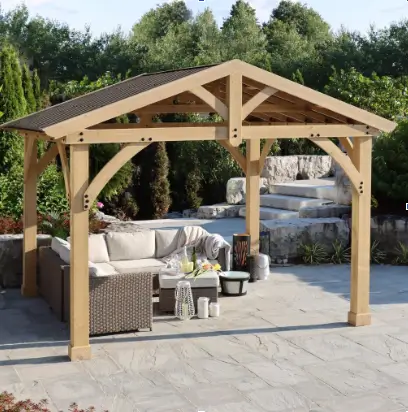
A backyard pavilion can completely transform your outdoor space. Whether you’re creating a shaded retreat for relaxation, an entertainment hub for gatherings, or a functional outdoor dining area, a pavilion adds both beauty and value to your home. However, while choosing the right design and materials is important, one factor often makes or breaks the entire structure: pavilion installation.
Many homeowners underestimate the complexity of installing a pavilion. What seems like a straightforward assembly project can quickly turn into a structural and safety challenge. From anchoring and alignment to weather resistance, proper installation is critical to ensuring your pavilion stands strong for years to come.
In this article, we’ll explore the risks of DIY installation and explain why professional pavilion installation is essential for long-term stability, durability, and weather protection.
Understanding What Makes Pavilion Installation Complex
At a glance, a pavilion might look like a simple outdoor structure—just posts, beams, and a roof. In reality, it is a load-bearing system that must withstand:
- Wind pressure
- Rain and moisture exposure
- Temperature fluctuations
- Ground movement over time
Unlike indoor furniture, a pavilion is constantly exposed to the elements. This means every component—from the foundation to the roof—must be installed with precision and structural integrity in mind.
The Risks of DIY Pavilion Installation
1. Weak Anchoring That Compromises Stability
One of the most common DIY mistakes is improper anchoring. Many homeowners assume that placing a pavilion on a patio or deck is enough to keep it stable. Unfortunately, this is far from the truth.
Without proper anchoring:
- The structure can shift or tilt over time
- Strong winds can loosen or lift the pavilion
- The entire frame may become unstable
DIY installers often use inadequate fasteners or fail to secure the structure to a solid foundation. This creates a serious safety risk, especially during storms.
2. Poor Alignment Leading to Structural Stress
Precision is critical in pavilion installation. Even slight misalignment during assembly can create uneven weight distribution across the structure.
This can result in:
- Warped beams or posts
- Uneven roof load
- Increased stress on joints and connectors
Over time, these issues weaken the pavilion and reduce its lifespan. What starts as a minor alignment error can evolve into major structural damage.
3. Inadequate Resistance to Wind and Weather
Outdoor structures must be built to handle changing weather conditions. DIY installations often fail to account for environmental factors such as:
- Wind direction and speed
- Rainwater drainage
- Soil stability
Without proper planning and installation:
- Wind can cause swaying or structural movement
- Water can accumulate, leading to rot or corrosion
- The pavilion may deteriorate faster than expected
A poorly installed pavilion simply isn’t equipped to handle the elements.
4. Incorrect Fastening and Hardware Use
Not all screws, bolts, and connectors are created equal. Pavilion kits often require specific hardware to ensure structural integrity.
Common DIY mistakes include:
- Using the wrong type of fasteners
- Over-tightening or under-tightening bolts
- Skipping critical reinforcement components
These errors can weaken the structure and increase the likelihood of failure under stress.
5. Safety Risks for Your Family and Guests
A pavilion is meant to be a safe, enjoyable space—but improper installation can turn it into a hazard.
Potential dangers include:
- Structural collapse during strong winds
- Loose components falling from the roof
- Instability that worsens over time
When people gather under your pavilion, safety should never be a concern. Unfortunately, DIY mistakes can put everyone at risk.
See also: Budget-Friendly Home Makeover Ideas
Why Professional Pavilion Installation Is the Better Choice
1. Secure and Proper Anchoring
Professional installers understand that anchoring is the foundation of a stable pavilion. They:
- Evaluate the installation surface (concrete, deck, soil, etc.)
- Use the correct anchoring systems for each surface type
- Ensure the structure is firmly secured against movement
This level of precision prevents shifting, lifting, and long-term instability.
2. Precision Alignment for Structural Integrity
Professionals use specialized tools and techniques to ensure every component is perfectly aligned.
This guarantees:
- Even weight distribution
- Strong, balanced joints
- Reduced stress on the frame
A properly aligned pavilion not only looks better but also performs better over time.
3. Weather-Resistant Installation Techniques
Experienced installers take environmental factors into account from the start. They:
- Position the pavilion to minimize wind impact
- Ensure proper roof alignment for water runoff
- Use materials and methods designed for outdoor durability
This results in a structure that can withstand rain, wind, and seasonal changes without deteriorating.
4. Correct Use of Hardware and Fastening Systems
Professional installation ensures that:
- The right fasteners are used for each component
- All connections are tightened to the correct specifications
- Reinforcements are properly installed
This attention to detail significantly improves the strength and longevity of the pavilion.
5. Comprehensive Safety Checks
Before completing the job, professionals conduct thorough safety inspections. They:
- Test structural stability
- Check all connections and joints
- Ensure the pavilion is secure and level
These final checks provide peace of mind that your pavilion is safe for everyday use.
Long-Term Benefits of Professional Pavilion Installation
Enhanced Durability
A professionally installed pavilion is built to last. Proper alignment, anchoring, and fastening reduce wear and tear, allowing the structure to maintain its integrity over time.
Better Weather Resistance
With expert installation, your pavilion is better equipped to handle:
- Strong winds
- Heavy rain
- Temperature changes
This protects your investment and reduces the need for repairs.
Lower Maintenance Costs
DIY installation often leads to issues that require ongoing fixes. Professional installation minimizes these problems, saving you money on maintenance and repairs in the long run.
Improved Aesthetic Appeal
A well-installed pavilion looks clean, symmetrical, and professionally finished. There are no uneven lines, gaps, or visible mistakes—just a polished structure that enhances your outdoor space.
Cost Comparison: DIY vs Professional Installation
Many homeowners choose DIY installation to save money, but this approach can backfire.
Hidden Costs of DIY:
- Purchasing tools and equipment
- Fixing installation mistakes
- Replacing damaged components
- Repairing structural issues
Value of Professional Installation:
- Accurate, efficient setup
- Reduced risk of costly errors
- Long-term reliability
In most cases, professional installation proves to be more cost-effective over time.
When Professional Pavilion Installation Is Essential
While some outdoor projects can be handled independently, pavilion installation often requires expert knowledge—especially in the following situations:
- Large or heavy pavilion structures
- Installation on uneven or soft ground
- Areas prone to strong winds or storms
- Complex designs with multiple components
In these cases, professional installation isn’t just helpful—it’s necessary.
The Peace of Mind You Can’t Ignore
Beyond stability and weather resistance, professional installation offers something equally important: confidence.
You can enjoy your outdoor space knowing that:
- Your pavilion is securely anchored
- It can withstand changing weather conditions
- It’s safe for family and guests
That peace of mind is difficult to achieve with a DIY approach.
Final Thoughts
A pavilion is more than just an outdoor feature—it’s an investment in your home and lifestyle. But like any investment, its value depends on how well it’s built and installed.
DIY pavilion installation may seem appealing, but the risks of weak anchoring, poor alignment, and structural instability are too significant to ignore. On the other hand, professional pavilion installation ensures your structure is secure, durable, and ready to withstand the elements.
If you want a pavilion that stands strong through wind, rain, and years of use, professional installation is not just a smart choice—it’s the right one.
FAQs
1. Can I install a pavilion myself?
While it’s possible, it’s not recommended unless you have experience with structural assembly and anchoring techniques.
2. How important is anchoring in pavilion installation?
Anchoring is critical. It ensures the structure remains stable and secure, especially during strong winds.
3. How long does professional pavilion installation take?
Most installations are completed within a day, depending on size and complexity.
4. Will professional installation improve durability?
Yes, proper installation significantly extends the lifespan of your pavilion.
5. Is professional installation worth the cost?
Absolutely. It prevents costly mistakes, ensures safety, and provides long-term value.