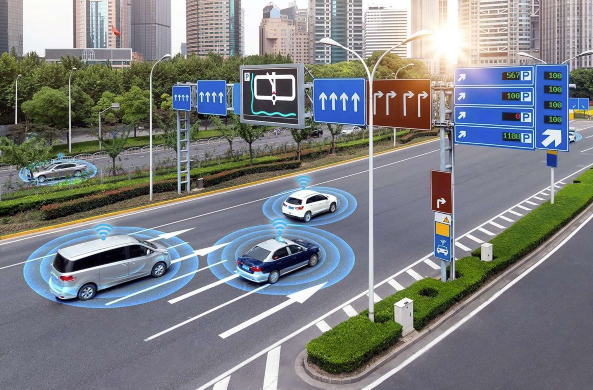
Smart traffic management technologies utilize data analytics and IoT solutions to optimize urban mobility. By analyzing real-time traffic conditions, these systems can adjust traffic signals and improve routing efficiency. This leads to better travel times and decreased environmental impact. As cities like Los Angeles and Singapore demonstrate, adaptive traffic systems are becoming essential. Understanding their inner workings and benefits reveals the potential for reshaping urban transportation dynamics.
How Smart Traffic Management Technologies Work
Although traffic congestion has long posed challenges for urban environments, smart traffic management technologies offer innovative solutions by leveraging data and advanced algorithms.
These systems utilize real-time traffic data alongside predictive analytics to anticipate congestion patterns, optimizing traffic signal timings and routing.
Benefits of Implementing Smart Traffic Solutions
The implementation of smart traffic solutions offers a myriad of benefits that extend beyond merely alleviating congestion.
These technologies promote cost savings through optimized traffic flow and resource allocation, minimizing the need for extensive infrastructure investments.
Furthermore, reduced congestion enhances the overall commuting experience, ultimately contributing to improved air quality and decreased travel times, thus fostering a more efficient urban mobility ecosystem.
Key Technologies Driving Smart Traffic Management
As urban populations continue to grow, the adoption of key technologies in smart traffic management has become essential for enhancing transportation efficiency.
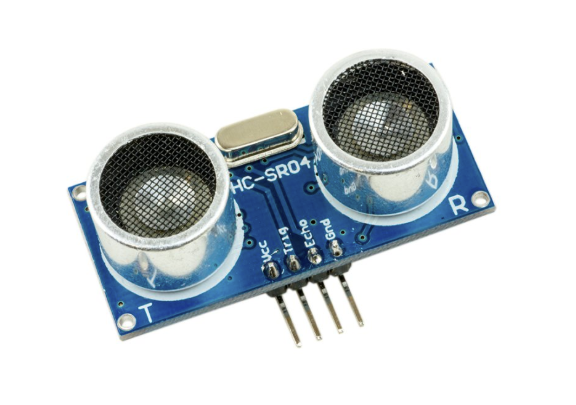
IoT integration enables real-time data collection from vehicles and infrastructure, while advanced data analytics processes this information to optimize traffic flow.
These technologies facilitate informed decision-making, ultimately resulting in reduced congestion, improved safety, and a more sustainable urban mobility landscape.
See also:Smart Sensors and Their Applications
Real-World Examples of Smart Traffic Innovations
Numerous cities worldwide have implemented innovative smart traffic management solutions to address congestion and enhance mobility.
Notably, traffic signalization advancements in Los Angeles have optimized flow through real-time data analysis.
Similarly, adaptive traffic systems in Singapore adjust signals based on real-time vehicular patterns, significantly reducing delays.
These technologies exemplify a commitment to intelligent urban planning, fostering both efficiency and freedom of movement for citizens.
Conclusion
In a world where traffic congestion reigns supreme, smart traffic management technologies stand as the panacea, revolutionizing urban mobility with the precision of a maestro conducting a symphony. By seamlessly orchestrating data analytics and IoT innovations, these systems promise not just enhanced travel efficiency, but a utopia where air pollution is but a distant memory. As cities evolve into bustling metropolises, the relentless march of these technologies may very well determine the fate of urban life itself.