Modern architecture is increasingly focused on two key priorities: energy efficiency and better use of natural light. As buildings become more design-driven and sustainability-focused, traditional lighting and ventilation solutions are being replaced with smarter alternatives. One of the most effective solutions in this space is the use of flat roof windows.
Flat roof windows are installed on level or low-pitch roofs and are designed to bring daylight directly into interior spaces while also supporting thermal efficiency. Beyond their aesthetic appeal, they play a major role in reducing energy consumption and improving indoor comfort.
In this guide, we’ll explore how flat roof windows improve energy efficiency, enhance natural lighting, and why they are becoming a preferred choice in modern residential and commercial buildings.
What Are Flat Roof Windows?
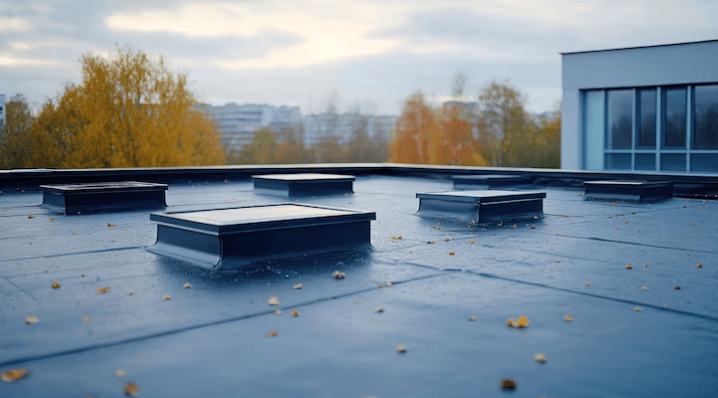
Flat roof windows are glazing systems installed on flat or nearly flat roofs to allow natural light into the building below. Unlike traditional vertical windows, they are positioned horizontally or at a slight angle, enabling direct overhead daylight penetration.
They are commonly used in home extensions, kitchens, office spaces, commercial buildings, and modern architectural designs where wall space for windows is limited.
These windows are typically made with high-performance glass and insulated frames to ensure durability, weather resistance, and energy efficiency.
How Flat Roof Windows Improve Natural Lighting
One of the most significant benefits of flat roof windows is their ability to maximize natural daylight. Since they are installed on the roof, they capture sunlight throughout the day, regardless of wall orientation or surrounding structures.
This overhead light distribution is more consistent compared to vertical windows, which depend heavily on building orientation and external shading.
Natural light from flat roof windows spreads evenly across interior spaces, reducing dark corners and creating a brighter, more open environment. This is especially beneficial in deeper rooms or extensions where traditional windows cannot provide sufficient lighting.
As a result, spaces feel larger, more welcoming, and more visually comfortable without relying heavily on artificial lighting.
Impact on Energy Efficiency
Flat roof windows contribute directly to reducing energy consumption in buildings. By increasing natural daylight levels, they reduce the need for artificial lighting during the day. This leads to lower electricity usage, especially in commercial spaces or homes with large open-plan areas.
In addition to lighting efficiency, modern flat roof windows are designed with thermal insulation in mind. High-performance glazing helps retain indoor heat during colder months while reducing heat gain during warmer seasons.
This balance reduces the load on heating and cooling systems, improving overall HVAC efficiency. Over time, this can result in noticeable energy savings and lower utility bills.
Thermal Performance and Modern Glazing Technology
The energy efficiency of flat roof windows largely depends on the quality of their glazing. Modern systems often use double or triple glazing with low-emissivity coatings that help control heat transfer.
These coatings reflect heat back into the room during winter while blocking excessive solar heat during summer. Some advanced designs also include gas-filled panes for improved insulation.
Frames are typically made from thermally broken materials such as aluminium or uPVC, which reduce heat loss and prevent condensation buildup.
Together, these features ensure that flat roof windows contribute positively to a building’s overall thermal performance.
Reducing Dependence on Artificial Lighting
One of the most immediate benefits of installing flat roof windows is reduced reliance on artificial lighting. During daylight hours, natural light becomes the primary source of illumination.
This not only lowers electricity usage but also improves the quality of indoor lighting. Natural light is more balanced and comfortable for the human eye compared to artificial lighting, which can sometimes feel harsh or uneven.
In workplaces, improved daylight exposure has also been linked to increased productivity and better employee well-being.
Enhancing Indoor Comfort and Well-Being
Natural light has a significant impact on human health and comfort. Spaces with good daylight exposure tend to feel more open, positive, and inviting.
Flat roof windows help bring consistent daylight into areas that would otherwise feel dark or enclosed. This is especially important in kitchens, hallways, bathrooms, and interior rooms without external walls.
In addition to visual comfort, exposure to natural light helps regulate circadian rhythms, which can improve sleep patterns and overall well-being.
Design Flexibility in Modern Architecture
Flat roof windows are not just functional—they also offer strong design flexibility. They can be installed in various sizes and configurations depending on the architectural requirements of the building.
Minimalist frameless designs are popular in modern homes, while larger glazing panels are often used in commercial spaces to create dramatic lighting effects.
This flexibility allows architects and homeowners to integrate natural lighting seamlessly into the overall design without compromising aesthetics.
Common Applications of Flat Roof Windows
Flat roof windows are widely used across different types of buildings. In residential properties, they are commonly installed in kitchen extensions, loft conversions, and open-plan living areas.
In commercial buildings, they are used to brighten office spaces, meeting rooms, and atriums. Retail spaces also benefit from improved lighting, which enhances product visibility and customer experience.
Their versatility makes them suitable for both small-scale residential projects and large architectural developments.
Maintenance and Durability
Modern flat roof windows are designed to be low-maintenance and highly durable. Most are built with weather-resistant seals that prevent water leakage and protect against harsh environmental conditions.
Self-cleaning glass options are also available, using special coatings that break down dirt and allow rainwater to wash it away naturally.
With proper installation and occasional cleaning, flat roof windows can last for many years while maintaining performance and appearance.
Cost vs Long-Term Value
While flat roof windows may involve a higher initial investment compared to standard roofing materials, their long-term benefits often outweigh the cost.
Energy savings from reduced lighting and improved insulation contribute to lower utility bills over time. Additionally, improved natural lighting can increase property value and enhance overall living quality.
For commercial buildings, better lighting efficiency can also translate into operational savings and improved workplace productivity.
See also: Printed Paper Bags Explained: Eco-Friendly Packaging for Modern Businesses
Final Thoughts
Flat roof windows are an effective architectural solution for improving both energy efficiency and natural lighting. By allowing consistent daylight into interior spaces and reducing reliance on artificial lighting, they create more sustainable and comfortable environments.
With advancements in glazing technology and design flexibility, they are becoming an essential feature in modern construction. Whether for residential or commercial use, flat roof windows offer a practical and visually appealing way to enhance building performance.