Cargo claims cost the global logistics industry billions every year. And a large share of those claims, perhaps more than most people realise, come down to one problem: nobody knew what was happening to the shipment while it was in transit.
That is a fixable problem. Here is how express courier tracking changes the outcome.
The Claim Starts Before the Delivery
Most cargo claims involve some kind of problem occurring once the cargo reaches its destination. A broken box. A temperature-controlled shipment that was delivered outside a safe temperature range. A high-value item that was opened during transit. The immediate reaction is to blame the final carrier, but express courier tracking records often reveal the real issue could have occurred much earlier in the process.
Without continuous tracking data, there is no way to know when the damage actually occurred. Was it during loading? At a transfer hub? On the final leg? Nobody can say for certain, so the claim becomes a dispute. Disputes take time. They cost money. And they rarely end cleanly for either party.
Real-time tracking changes what you can prove.
What the Data Captures
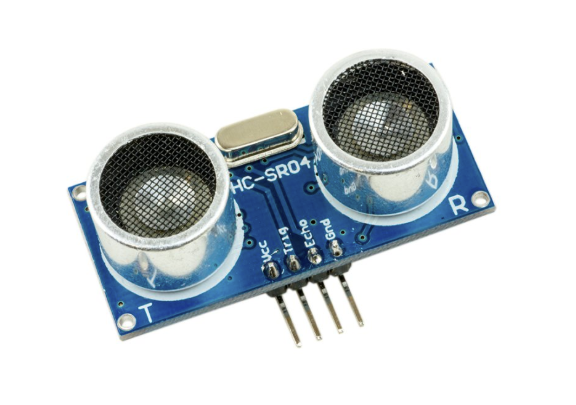
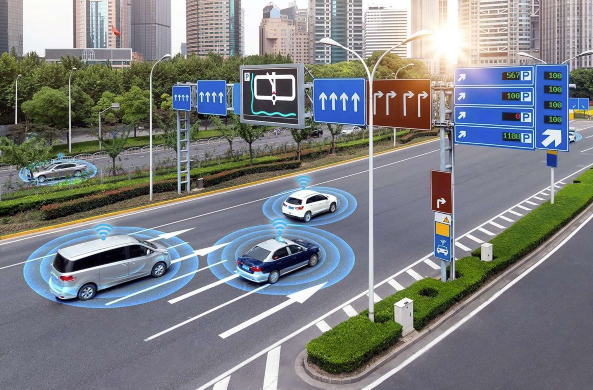
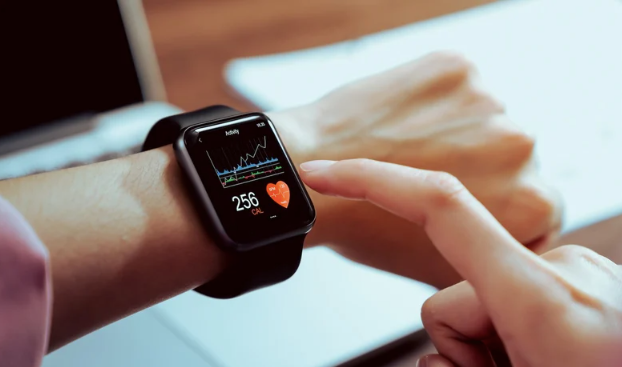
But modern express courier tracking is doing much more than simply showing the position of a moving dot on a map. The better ones track temperature, humidity, shock, free fall, light, and orientation along the entire route.
This is important stuff, especially when the shipment arrives warmer than expected, or the electronics show up with the kind of damage that suggests they have been dropped. If the tracker recorded a shock event at a specific location and time, you know exactly where it happened. You can identify the responsible party. You can make a targeted, evidence-backed claim rather than a broad, unprovable complaint.
According to the International Air Transport Association, cargo damage and loss claims account for a substantial portion of airline cargo revenue losses each year. IATA statistics indicate that total air cargo claims are over one billion dollars, and temperature excursions and physical damage are among the top reasons for such claims. This figure, however, does not reflect the actual situation, as many shippers do not claim smaller losses, partly because they realise they cannot prove what happened and partly because they do not think it is worth the effort.
The Fear That Drives Poor Decisions
Think about what it feels like to ship something irreplaceable. A batch of medical devices. A set of aerospace components. Luxury goods are headed to a client who has been waiting weeks. You hand it over and, from that point, you are largely in the dark.
Maybe you receive a status update when it clears customs, or perhaps you receive a confirmation when it is delivered. But what about when something goes wrong in the middle? You don’t always find out in time to do anything about it.
Not only is the lack of visibility stressful, but it can also be costly. Shipments without visibility tend to over-insure. They maintain a buffer stock to account for the expected loss. They waste hours tracking down the carrier to get updates that may never arrive.
Real-time tracking does not just reduce claims. It reduces the anxiety that drives all of those workarounds.
Condition Monitoring and the Cold Chain
Cold chain failures are worth addressing on their own. The stakes are high, and the documentation requirements are strict.
In pharmaceutical logistics, regulators expect temperature records for the full duration of a shipment. A gap in the record is often treated the same as a confirmed breach. That means a shipment with no monitoring data may be rejected even if the product itself is perfectly fine.
Continuous condition monitoring fixes this problem. If the tracker measures temperature every hour on a multimodal journey from sea to air to road, you now have a complete record to present to the receiving party or the regulator. This record either proves the process worked correctly or identifies the exact places where it did not.
See also: How to Pick a Physio Table That Fits Your Practice
Getting the Most Out of Your Tracking
A few things are worth thinking about if you are evaluating tracking options for express courier shipments.
Look for systems that cover the full journey, not just the final leg. A tracker that activates at the warehouse and goes dark at the port is not much use for multimodal shipments.
Check whether the system records condition data alongside location. Location alone tells you where a shipment was. Condition data tells you what happened to it along the way.
Ask how alerts are configured. A temperature breach alert that triggers 12 hours after the event is far less useful than one that fires in real time, when there is still an opportunity to intervene.
Think about what happens to the data after delivery. A secure, timestamped record of every journey is worth keeping, particularly if claims tend to arrive weeks after the fact.
Cargo claims are not random. They follow patterns. The shippers who track those patterns are the ones who reduce them.