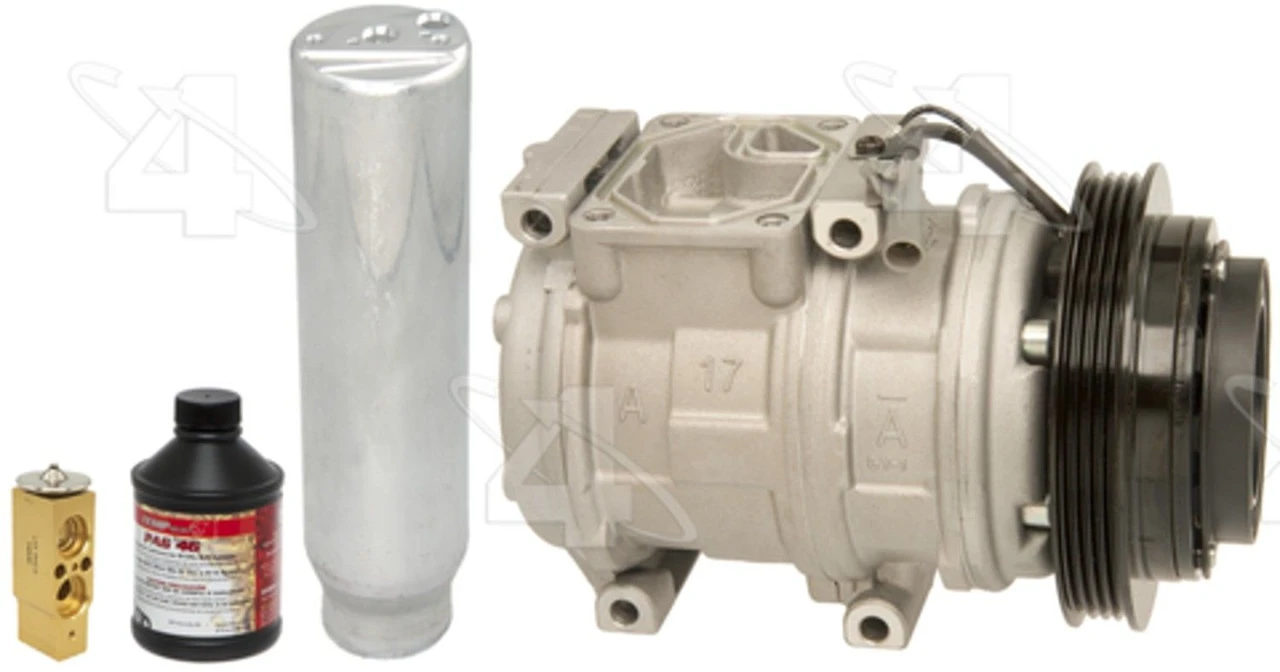
Your Toyota’s air conditioning system is essential for comfort and climate control, especially during hot Australian summers. At the heart of this system is the Toyota AC compressor, a crucial component that circulates refrigerant to cool the cabin. Over time, compressors can develop issues that reduce cooling efficiency, cause strange noises, or even lead to complete AC failure.
In this article, we’ll explore common Toyota AC compressor problems and provide practical troubleshooting and repair tips for both car owners and mechanics. Understanding these issues helps you maintain optimal AC performance and avoid costly repairs.
Understanding the Toyota AC Compressor
The AC compressor is essentially the engine of the air conditioning system. It compresses refrigerant gas, which increases its pressure and temperature before sending it through the condenser and evaporator. This process removes heat from the cabin and maintains a comfortable interior temperature.
A malfunctioning compressor can result in:
- Reduced cooling efficiency
- Strange noises such as grinding or squealing
- Leaks in the refrigerant system
- Increased strain on the engine, affecting performance and fuel efficiency
Early detection of AC compressor problems can save money, time, and ensure your Toyota remains comfortable year-round.
Common Problems with Toyota AC Compressors
1. Strange Noises from the Compressor
One of the most common indicators of a failing Toyota AC compressor is unusual noise during operation. Owners often report:
- Squealing or chirping: Often caused by a worn-out compressor belt or pulley.
- Grinding or rattling: Indicates internal component damage, such as failing bearings or pistons.
- Clicking or knocking: Usually points to a malfunctioning clutch or insufficient lubrication.
Solution:
- Inspect and replace worn belts or pulleys.
- Lubricate or replace failing components.
- If the internal damage is severe, replacing the compressor may be necessary.
2. Poor Cooling Performance
If the air from your Toyota’s vents is not as cold as expected, the AC compressor may not be circulating refrigerant effectively. Common causes include:
- Worn or damaged compressor components
- Low refrigerant levels due to leaks
- Blockages in the condenser or evaporator
Solution:
- Check refrigerant levels and refill if necessary.
- Inspect for leaks and repair them promptly.
- If the compressor is damaged internally, replacement is the most reliable solution.
3. Refrigerant Leaks
Leaks are a common issue in aging AC compressors. If your system is losing refrigerant, you may notice:
- Oil or refrigerant residue around the compressor or hoses
- Reduced cooling efficiency over time
- A chemical smell inside the cabin
Solution:
- Locate and repair leaks using UV dye or leak detection tools.
- Replace seals, O-rings, or hoses as needed.
- In cases of severe compressor damage, a full replacement is recommended.
4. AC Clutch Failure
The AC compressor clutch engages and disengages the compressor depending on cooling demand. Signs of clutch issues include:
- AC only works intermittently
- Clicking noise from the compressor area
- AC does not activate at all
Solution:
- Inspect the clutch for wear or damage.
- Replace the clutch if worn or faulty.
- Ensure the electrical connections are intact and the control system is functioning properly.
5. Electrical or Circuit Issues
Sometimes, AC compressor problems are not mechanical but electrical. Symptoms include:
- AC system not engaging
- Tripped fuses or circuit breakers
- Compressor motor not responding
Solution:
- Check all fuses, relays, and wiring connections.
- Test the compressor motor using a multimeter.
- Replace any faulty electrical components.
6. Seized Compressor
A completely seized AC compressor occurs when internal components lock up due to lack of lubrication, contamination, or mechanical failure. Signs include:
- AC system not turning on at all
- Loud grinding noise if the engine tries to engage the compressor
- Burnt smell from overheating
Solution:
- A seized compressor cannot be repaired reliably and requires replacement.
- Flush the AC system to remove debris before installing a new compressor.
- Refill the system with the correct type and amount of refrigerant.
See also: Smart Traffic Management Technologies
Preventing Toyota AC Compressor Problems
Preventive maintenance is key to extending the life of your AC compressor. Here are some practical tips:
- Run the AC Regularly: Even during cooler months, running the AC prevents seals from drying out and maintains lubrication.
- Maintain Refrigerant Levels: Low or overfilled refrigerant can strain the compressor and reduce efficiency.
- Regular Inspections: Schedule AC system check-ups to catch minor issues before they escalate.
- Clean the Condenser and Evaporator: Dirt, debris, or leaves can obstruct airflow and increase compressor workload.
- Use Quality Replacement Parts: Whether OEM or reputable aftermarket parts, quality components reduce the risk of premature failure.
When to Replace Your Toyota AC Compressor
While some problems can be fixed, certain signs indicate that replacement is the best option:
- Loud internal noises that suggest severe mechanical damage
- Frequent refrigerant leaks that cannot be contained
- AC system fails to cool despite proper refrigerant and electrical connections
- Seized compressor that does not turn even when the engine runs
Replacing the compressor promptly prevents additional damage to the AC system, saves on future repairs, and ensures reliable cooling for your Toyota.
OEM vs. Aftermarket Compressors
When replacing a Toyota AC compressor, you have two main options:
OEM Compressors
Advantages:
- Perfect fit and compatibility with your Toyota model
- High-quality materials and reliability
- Often comes with a manufacturer warranty
Disadvantages:
- Higher upfront cost
- May require ordering through dealerships
Aftermarket Compressors
Advantages:
- More affordable than OEM
- Wide selection for different Toyota models
- Some offer performance improvements
Disadvantages:
- Quality varies by brand
- Compatibility issues possible if part numbers are incorrect
- Warranty coverage may be limited
Selecting the right compressor ensures long-term reliability and optimal AC performance.
Conclusion
Your Toyota’s AC compressor is a vital component for maintaining cabin comfort and system efficiency. Recognizing common problems—strange noises, poor cooling, leaks, clutch failure, electrical issues, or a seized compressor—can save you from costly repairs and ensure your vehicle stays comfortable year-round.
Regular maintenance, early troubleshooting, and choosing the right replacement parts—whether OEM or reputable aftermarket—can extend the life of your AC system and prevent future issues. By staying proactive, Toyota owners can enjoy a reliable, cool ride no matter the season.
FAQs
Q1: How long does a Toyota AC compressor typically last?
A1: With proper maintenance, a Toyota AC compressor can last 8–12 years. Environmental conditions, usage frequency, and refrigerant levels affect longevity.
Q2: Can I drive my Toyota with a failing AC compressor?
A2: Yes, but it’s not recommended. A failing compressor can strain the engine, reduce fuel efficiency, and eventually damage other AC components.
Q3: How much does it cost to replace a Toyota AC compressor?
A3: Costs vary by model and whether you choose OEM or aftermarket parts. On average, compressors range from AUD 500–900, excluding labor.
Q4: Can a Toyota AC compressor be repaired?
A4: Minor issues like clutch failure or leaks can sometimes be repaired, but severe internal damage or seizure usually requires full replacement.
Q5: How can I prevent AC compressor problems in my Toyota?
A5: Regular use, refrigerant maintenance, system inspections, and using quality parts help prolong compressor life and prevent issues.