Cold storage does peculiar things to packaging. A label that looked crisp on the production line can turn scruffy the moment it meets a chiller or freezer, and nobody warns you until it happens. Waterproof stickers exist because condensation is relentless, and food and beverage brands are frankly tired of watching good labels quietly fall apart in the cold.
Here is the bit most suppliers gloss over. The real trouble is rarely the print: it is the moisture creeping in behind it. Waterproof stickers keep food and beverage packaging looking sharp right through refrigeration, freezing, and every damp handover in between, so your branding survives the trip from cold room to shopping basket. That is durability doing quiet, useful work.
Condensation: The Uninvited Guest That Wrecks Paper Labels
Why Chilled Storage Turns on Ordinary Paper: When a product shuttles between cold storage and warmer air, moisture forms on the surface and soaks straight into untreated paper stock. That is the whole problem in one line. The paper swells, the adhesive loosens along the edges, and a once-tidy label starts curling or lifting away from the container.
The Damage You Only Notice Once It Is Too Late: In real production runs, brands that stick with untreated paper on chilled lines tend to spot the problem weeks later, once stock is already sitting in fridges across the country. By then the labels have wrinkled or discoloured on shelf, with no quiet fix available. A batch that looked flawless at dispatch can look neglected by the time shoppers reach it.
Labels That Survive the Whole Journey: Storage, Transport, and Shelf
Packaging That Holds Its Nerve from Chiller to Checkout: A waterproof label is built to stay put through refrigeration, freight, and every rough handover along the route. That reliability is the whole point. Modern cold chain logistics puts real strain on packaging, so food brands need labels that read clearly at each stage: a smudged batch code or a peeling ingredient panel is not just untidy, it can stall a shipment.
Why Intact Labels Quietly Build Customer Trust: Shoppers read a clean, undamaged label as a sign the product inside has been cared for. That judgement lands in a second, long before anyone reads a word of copy. When your packaging arrives crisp and legible, it signals consistency, and that impression does a fair chunk of the selling for you without any extra effort.
Paper or Synthetic: When Each One Earns Its Place
Where Laminated Paper Still Does a Grand Job: For dry goods stored at room temperature, laminated paper labels perform brilliantly and keep costs sensible. That is often the smarter pick, not the compromise. Spices, biscuits, tea, and other shelf-stable lines rarely meet enough moisture to cause bother, so reaching for heavy-duty synthetic stock there simply adds cost without adding anything a shopper will notice.
When Synthetic Stock Becomes the Sensible Upgrade: The moment refrigeration, condensation, or oily contents enter the picture, synthetic waterproof stock stops being a luxury and turns into the practical choice. Packaging that faces repeated freeze-thaw cycling needs a surface that will not swell or lift, and synthetic film simply does not drink in moisture the way paper does. It lies flat and keeps its finish.
The Long Game: Why Durable Labels Pay for Themselves
Labels That Outlast the Storage Conditions You Throw at Them: Waterproof stickers keep doing their job long after a paper equivalent would have surrendered. That longevity is where the real value hides. Across months of chilling, thawing, and jostling in transit, the label holds its colour and legibility, so the product still looks deliberate and cared for on the day someone finally buys it.
Fewer Reprints, Fewer Complaints, Less Waste: Choosing the right material once saves the cost of doing the whole thing twice. Labels that fail in storage do more than look bad: they trigger reprints, awkward customer emails, and stock you would rather not put on shelf. Matching the material to the conditions from the start means the money you spend on labelling stays spent.
Where Waterproof Stickers Really Come into Their Own
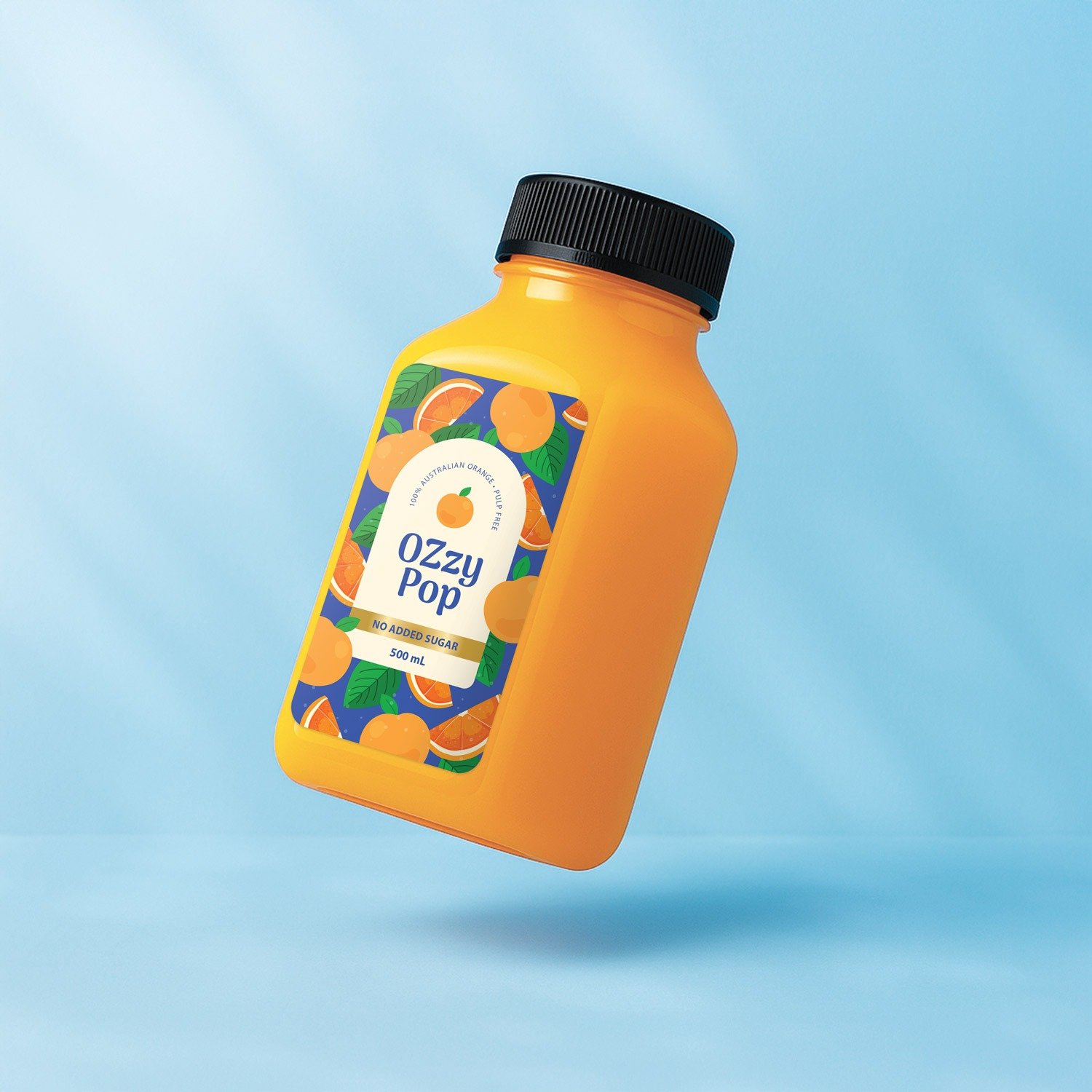
The Packaging That Practically Demands a Waterproof Label: Some products are basically begging for moisture protection from day one. Anything living in a fridge, a freezer, or a sweaty display cabinet is a prime candidate, and so is anything with damp or oily contents. Waterproof stickers were built with exactly these jobs in mind, across bottles, chilled goods, and sticky favourites like honey.
- Chilled and fizzy drinks that sweat the second they leave the fridge
- Freezer meals and frozen goods facing constant condensation
- Bottles and jars wiped down or stored in damp conditions
- Honey, syrups, and other sticky contents prone to seepage
- Dairy and refrigerated foods handled dozens of times before sale
- Anything shipped through humid warehouses or long cold runs
Give Your Cold-Storage Packaging the Armour It Deserves
Getting the label right is one of those small calls that keeps paying off in the background. Packaging that survives the cold room, the truck, and the shelf without a wrinkle tells customers you sweat the details, even the ones they never consciously clock. That quiet consistency is worth protecting, especially when the fix is this straightforward.
Leaving it too late means finding out the hard way, once a batch is sitting in fridges looking worse for wear. Matching the material to the conditions before the print run costs far less than reprinting after complaints arrive. So if cold storage is part of your world, sort the right waterproof option now: get in touch and let the team help before the next run.