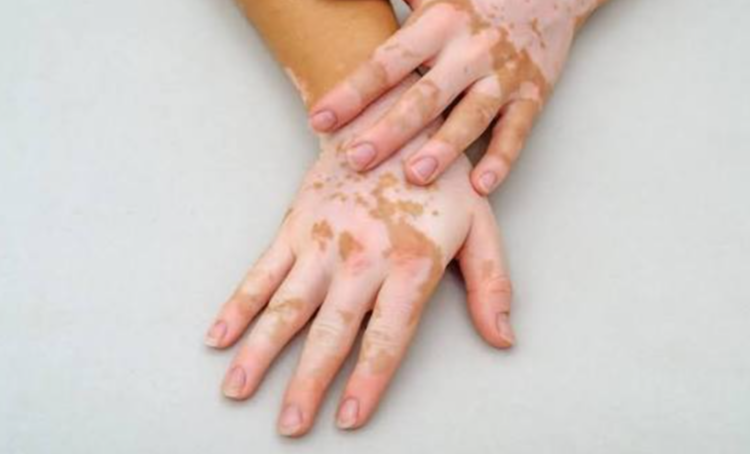
Parents often notice white patches on a child’s face suddenly. Sometimes the marks appear after sun exposure. Sometimes they become visible after the child plays outdoors. In other cases, the patches stay for weeks, making parents worry about infection, nutritional problems, or permanent skin conditions. The truth is that causes of white spots on children’s skin can vary widely, and not every white patch means the same thing.
Some white spots are linked to mild skin dryness or eczema-related changes. Some may be associated with fungal conditions. Others may be related to pigmentation disorders, irritation, inflammation, or nutritional issues. This is why proper dermatological evaluation matters before parents start random creams or supplements.
White Patches Are a Symptom, Not a Single Disease
One of the biggest misconceptions is assuming all white spots come from one cause.
In reality, white facial patches in children may appear because of:
- Dry skin
- Pityriasis alba
- Eczema-related changes
- Post-inflammatory pigmentation changes
- Fungal infection
- Nutritional deficiencies
- Sun exposure differences
- Vitiligo
- Skin irritation
- Allergic reactions
- Healing after rash or injury
The appearance alone is not always enough to identify the cause correctly.
A dermatologist usually looks at the pattern, texture, borders, scaling, symptoms, and medical history before deciding what the patches most likely represent.
Pityriasis Alba Is One of the Most Common Causes
Pityriasis alba is a very common cause of pale facial patches in children.
The patches are usually:
- Light-coloured rather than completely white
- Mildly dry
- Slightly rough
- More visible after sun exposure
- Common on cheeks
- Seen more often in children with dry or sensitive skin
The condition is generally harmless and often linked to mild eczema or skin dryness.
The American Academy of Dermatology describes pityriasis alba as a common skin condition in children that causes lighter patches, often on the face, especially in children with dry or eczema-prone skin.
These patches often become more noticeable because the surrounding skin tans while the lighter area does not tan equally.
Dry Skin Can Make White Patches More Visible
Children’s skin can become dry because of:
- Frequent soap use
- Hot water bathing
- Weather changes
- Excessive rubbing
- Sensitive skin
- Eczema tendency
- Poor moisturising habits
Dry areas may temporarily appear lighter than surrounding skin.
This is why dermatologists often ask about:
- Bathing habits
- Soap type
- Moisturiser use
- Itching
- Seasonal changes
- Family history of eczema
Sometimes, improving skin hydration helps the patches gradually blend better over time.
Vitamin Deficiencies May Affect Skin Appearance
Parents commonly worry about a vitamin deficiency when they notice white spots.
Certain nutritional deficiencies can contribute to skin and hair changes, especially when the child also has a poor diet, low appetite, fatigue, hair fall, brittle nails, or growth concerns.
Nutrients sometimes discussed in relation to skin health include:
- Vitamin B12
- Vitamin D
- Iron
- Zinc
- Folate
But this is important: not every white patch means vitamin deficiency.
Some children with nutritional deficiency may develop broader skin or pigmentation changes, while others with facial patches may have no deficiency at all.
This is why self-starting large supplement doses without evaluation is not always helpful.
Vitiligo Needs Early Dermatological Assessment
One condition parents often fear is vitiligo.
Vitiligo causes pigment loss because melanocytes stop functioning properly in affected areas. The patches are usually more sharply defined and may become more noticeable over time.
Common features may include:
- Milky-white patches
- Clear borders
- Gradual spread in some cases
- Involvement around the eyes or mouth
- Pigment change in hair in some cases
- Family or autoimmune history in some patients
Not every white patch is vitiligo. But when vitiligo is suspected, proper dermatological assessment becomes important because early management may help control progression in selected patients.
Fungal Infection Is Sometimes Overdiagnosed
Many parents immediately assume white patches are a fungal infection.
While fungal infections can cause skin colour changes, not every pale patch is fungal.
True fungal concerns may sometimes involve:
- Itching
- Fine scaling
- Spread over time
- Involvement of body folds or trunk
- Mild redness
- Irregular shape
Children are often incorrectly treated with repeated antifungal creams even when the condition is actually pityriasis alba or eczema-related dryness.
This is one reason proper diagnosis matters before treatment begins.
White Patches After Inflammation Are Common
Skin sometimes heals lighter after inflammation.
This may happen after:
- Eczema
- Rash
- Allergic reaction
- Injury
- Scratching
- Insect bites
- Skin irritation
- Previous infection
This is called post-inflammatory hypopigmentation.
The lighter patch often improves gradually over time once the underlying inflammation settles. Aggressive treatment is not always necessary.
But because parents often notice the colour difference first, they may think the skin disease is still active even when the inflammation has already healed.
Sun Exposure Makes White Patches Look More Obvious
Many parents notice white patches more during the summer.
This happens because the surrounding skin becomes darker with sun exposure, while lighter patches remain pale. The contrast increases, making the spots easier to see.
This is especially common with:
- Pityriasis alba
- Mild post-inflammatory hypopigmentation
- Dry skin-related patches
Sunscreen and moisturiser may gradually reduce visual contrast.
Children’s Skin Should Not Be Treated Aggressively Without Diagnosis
Parents often try:
- Strong antifungal creams
- Steroid creams
- Fairness creams
- Home remedies
- Scrubbing
- Lemon application
- Random moisturisers
- Multiple creams together
This can irritate a child’s skin further.
Steroid-containing creams are especially risky when used repeatedly without medical advice. They may temporarily reduce inflammation, but can also thin the skin or alter pigmentation over time.
Children’s skin is sensitive. Treatment should be chosen carefully.
A Dermatologist May Ask Detailed Questions
During consultation, the dermatologist may ask:
- When did the spots start?
- Are they spreading?
- Is there itching?
- Was there a rash before?
- Does the child have eczema?
- Is there dandruff?
- Is the skin dry?
- Does anyone in the family have vitiligo?
- Has the child been ill recently?
- What creams have already been used?
- Is the child eating well?
- Are there other symptoms?
These details help narrow the possible causes.
Examination Helps Differentiate Conditions
A dermatologist does not rely only on colour.
The doctor may examine:
- Border sharpness
- Scaling
- Texture
- Dryness
- Hair involvement
- Symmetry
- Associated rash
- Distribution
- Sun exposure pattern
- Signs of inflammation
Sometimes additional tests are unnecessary. In other cases, the dermatologist may recommend a Wood’s lamp examination or further evaluation if the diagnosis is unclear.
Nutritional Evaluation May Sometimes Be Needed
If the child has additional symptoms such as:
- Poor appetite
- Weight concerns
- Hair fall
- Fatigue
- Nail changes
- Generalised skin changes
- Growth issues
The dermatologist or paediatrician may recommend a nutritional evaluation.
This does not mean every child with facial patches needs blood tests. Testing depends on the overall clinical picture.
Parents should avoid assuming supplements alone will solve every white patch.
Moisturising Is Often More Important Than Parents Expect
For dryness-related patches, moisturising plays a major role.
Children with pityriasis alba or mild eczema-related pigmentation changes may benefit from:
- Gentle cleansers
- Reduced harsh soap use
- Regular moisturiser application
- Sunscreen
- Reduced friction
- Avoiding excessive scrubbing
Improvement may take time because pigment blending happens gradually.
Parents sometimes stop moisturising too early because the patches do not disappear immediately.
White Patches Are Not Always Permanent
This is reassuring for many parents.
Several common causes of white facial patches in children improve gradually with proper care and time.
Examples include:
- Pityriasis alba
- Mild post-inflammatory hypopigmentation
- Dryness-related patches
- Some irritation-related changes
However, conditions like vitiligo may behave differently and need medical follow-up.
This is another reason proper diagnosis matters. The long-term outlook depends on the actual cause.
When Parents Should Seek Dermatological Attention
Parents should consider a dermatological evaluation if:
- The patches are spreading
- The borders look very sharp
- There is itching or scaling
- The patches are persistent
- Home care is not helping
- The child has eczema or allergies
- The patches are increasing in number
- There is a family history of vitiligo
- Hair colour changes appear in the patch
- The child develops emotional distress about appearance
Early assessment helps avoid unnecessary worry and inappropriate treatment.
What Parents Should Avoid
Avoid:
- Steroid creams without a prescription
- Scrubbing the skin
- Applying lemon or harsh remedies
- Using fairness creams
- Switching products repeatedly
- Treating every patch as a fungal infection
- Starting high-dose supplements blindly
- Ignoring persistent changes for many months
The safest route is usually proper diagnosis first.
Follow-Up Can Sometimes Be Important
Some white patches improve slowly, and dermatologists may review progress over time.
Follow-up may help assess:
- Whether the patches are stable
- Whether pigment is returning
- Whether the diagnosis still fits
- Whether treatment needs adjustment
- Whether new patches are appearing
This is especially important when vitiligo or chronic inflammatory skin conditions are being considered.
Emotional Reassurance Matters Too
Parents often become anxious when they notice visible skin changes in children. Older children may also become self-conscious if classmates comment on facial patches.
A calm medical explanation helps families understand:
- What the condition likely is
- Whether it is contagious
- Whether it is dangerous
- Whether treatment is needed
- How long does improvement take
- Whether the patches are likely to spread
That reassurance is often as important as the cream itself.
Final Word
White facial patches in children can happen for many reasons, including dryness, pityriasis alba, post-inflammatory changes, fungal infection, vitiligo, and sometimes nutritional deficiencies. Not every patch is serious, and not every patch is caused by vitamin deficiency alone.
The safest approach is to avoid self-diagnosis and seek proper dermatological evaluation when patches persist, spread, or become concerning. Causes of white spots on children’s skin are varied, so treatment should be based on the actual diagnosis rather than assumptions.
Early evaluation helps parents understand whether the concern is temporary, inflammatory, nutritional, pigment-related, or requires closer follow-up.