Heating and cooling problems rarely arrive at a convenient time. A furnace may run loudly on a cold evening, or an air conditioner may struggle as humidity climbs. The right response starts with understanding what HVAC service includes, what symptoms mean, and what questions to ask before approving work. This guide explains heating and cooling care so homeowners can make informed decisions without feeling rushed.
What does HVAC service include?
HVAC service can include inspection, cleaning, troubleshooting, adjustment, repair, and performance testing for furnaces, air conditioners, heat pumps, thermostats, and airflow components. A thorough visit should not focus only on whether the equipment turns on. It should also look at safety controls, electrical parts, refrigerant behavior, drainage, airflow, and signs of wear.
Homeowners contact Paradise Heating and Cooling when they need help understanding whether a comfort issue is mechanical, electrical, or airflow-related. That distinction matters because weak cooling might come from a dirty coil, low refrigerant, a failing blower motor, restricted ductwork, or poor thermostat placement.
How often should heating and cooling systems be checked?
Most homes benefit from seasonal HVAC maintenance before heavy heating or cooling demand. Furnaces are best checked before colder months, while air conditioners and heat pumps should be reviewed before sustained warm weather. The purpose is to identify problems while there is time to respond, not after the system is already under stress.
Routine care also gives homeowners a useful baseline. When a technician records operating conditions and component conditions, unusual changes are easier to spot later. That history can help separate normal aging from problems that deserve immediate attention.
Is changing the air filter enough maintenance?
Changing the filter is important, but it is not a substitute for professional service. Filters help protect airflow and reduce dust buildup inside the system. They do not test ignition performance, inspect heat exchangers, measure electrical loads, clear condensate lines, or verify refrigerant operation.
Filter frequency depends on household conditions. Pets, dust, high system use, and allergy concerns can shorten the replacement interval. Homeowners should check filters regularly and replace them when they look loaded, bent, damp, or visibly clogged.
When should a homeowner call for repair?
Call for HVAC repair when the system short-cycles, blows weak air, makes new noises, produces odors, leaks water, trips breakers, or cannot hold the thermostat setting. Small changes deserve attention because HVAC systems often show warning signs before a breakdown.
It is also wise to call when energy use rises without a clear reason. That does not always mean the equipment is failing, but it may indicate restricted airflow, worn parts, thermostat issues, dirty components, or declining efficiency.
Does every old HVAC system need replacement?
Age matters, but it should not be the only factor. Replacement may make sense when repairs become frequent, comfort remains poor after reasonable service, or the equipment is no longer safe or cost-effective. Still, some older systems can continue operating with targeted repairs and maintenance.
A qualified evaluation from Paradise Heating and Cooling can help homeowners compare repair and replacement without relying on guesswork. The useful question is not simply how old the system is, but what condition it is in and what result each option will deliver.
See also: Avoid Costly Mistakes: Hire the Right Business Formation Lawyer from Day One
Better Decisions Start With Better HVAC Questions
Homeowners should ask what caused the problem, whether the repair addresses the root issue, and what signs to watch for after service. It is also reasonable to ask which recommendations are urgent, which are preventive, and which are optional improvements.
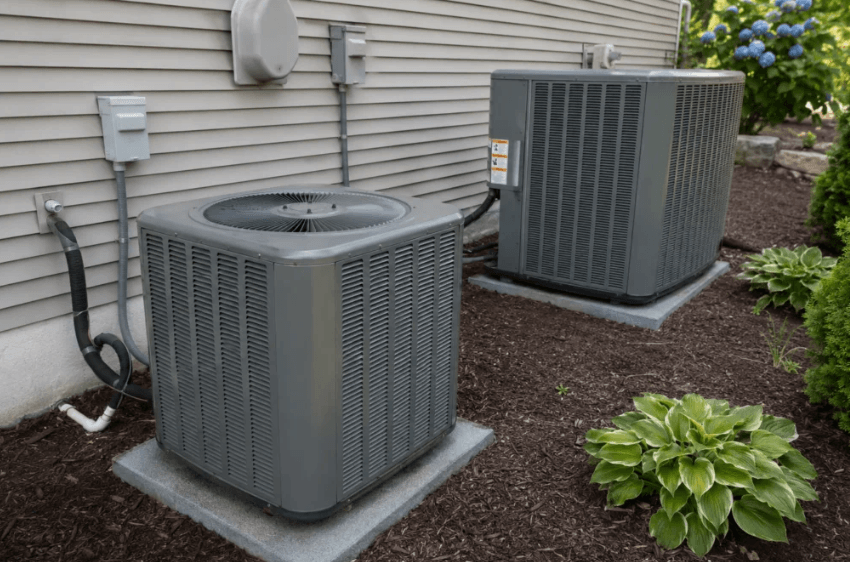
Good HVAC service should leave homeowners with more confidence, not confusion. Keeping vents open, maintaining clearance around outdoor units, replacing filters, and scheduling service before peak demand all support better comfort and reliability. With a practical maintenance mindset, homeowners can reduce avoidable strain, respond to warning signs sooner, and make heating and cooling decisions with far less uncertainty.