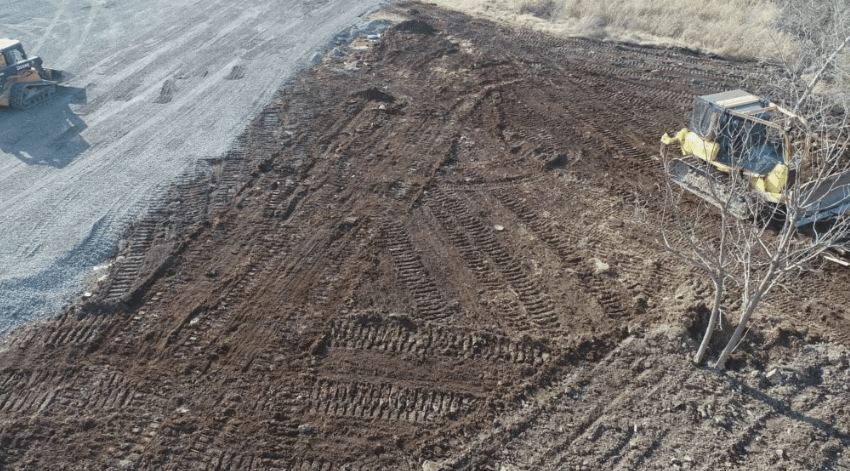
Excavation is one of those services that looks simple only from a safe distance. A machine shows up, dirt moves, and the property begins to look ready. In reality, general excavation is a mix of planning, equipment, soil knowledge, drainage awareness, hauling logistics, and jobsite safety. Whether the project involves a residential lot, commercial site, driveway area, pond, utility trench, or fill dirt, the best results start before the first bucket moves.
For Tulsa-area property owners, builders, and project managers, good excavation can support everything that comes next. Poor excavation can create soft spots, drainage headaches, uneven grades, and expensive rework. These practical tips explain how to approach general excavation with less confusion and fewer muddy surprises.
1. Define the Real Goal Before Scheduling Dirt Work
Before hiring equipment or scheduling dirt work, define what the excavation needs to accomplish. Is the site being cleared for construction? Does the property need grading to improve drainage? Is fill dirt needed to raise a low area? Are trees, brush, stumps, or old debris in the way?
General excavation can include land clearing, grading, trenching, pond work, demolition support, site preparation, dirt hauling, and drainage improvements. Each task has a different purpose. Clearing brush is not the same as building a stable pad. Digging a trench is not the same as shaping a driveway base. When the goal is specific, the plan can be specific too.
2. Walk the Site and Look for Hidden Complications
A site walk is not just a casual stroll through the weeds. It is a chance to notice slopes, access points, utility concerns, low areas, trees, fences, gates, existing structures, and soil conditions. These details affect how trucks and machines move through the property. They also help identify anything that could slow the project once work starts.
Look for overhead lines, narrow entrances, soft ground, septic areas, drainage ditches, and neighboring property boundaries. If the site has hidden obstacles, old concrete, buried debris, or standing water, mention it early. Excavation crews can often work around challenges, but surprises are easier to manage when they are not discovered by a bucket tooth at 8:15 in the morning.
Access deserves special attention. Heavy equipment and dump trucks need room to enter, turn, unload, and leave safely. Planning access early can prevent delays.
3. Plan Drainage Before the Ground Is Reshaped
Water is one of the biggest reasons excavation should be planned carefully. Finished grades should usually guide water away from structures, driveways, work areas, and places where people do not want a surprise pond. Drainage decisions may involve slope, swales, culverts, ditches, fill placement, and soil compaction.
Even small grade changes can affect where stormwater travels. If water is ignored, it may collect in low areas, erode newly shaped slopes, or create muddy access problems. Proper excavation should consider how the site behaves during and after rain, not just how it looks on a dry afternoon. Dirt work and water management are longtime dance partners, and water always insists on leading.
Good drainage planning also protects future improvements. A building pad, driveway, patio area, pond edge, or landscaping zone all depend on stable ground and sensible runoff patterns. Excavation that manages water well can reduce long-term maintenance and help the finished site function properly.
4. Match Equipment, Fill Dirt, and Hauling to the Project
Excavation equipment is not one size fits all. Excavators, dozers, skid steers, compact loaders, dump trucks, and grading equipment each serve different purposes. The right equipment can improve efficiency and reduce unnecessary disturbance. The wrong equipment can waste time, damage areas that should stay intact, or struggle with materials better handled another way.
Many excavation projects involve more than digging. They also require moving material to or from the site. Fill dirt may be needed to raise low spots, create a building pad, improve access, backfill areas, or shape land for future construction. On other projects, unsuitable soil, brush, rock, or debris may need to be removed.
For local material information, the Tulsa Dirt Site page explains dirt site services related to land clearing, grading, and site preparation.
Hauling affects schedule and cost because truck access, load counts, travel distance, and material type all matter. Good planning helps crews avoid delays and keeps equipment productive. After all, a dozer waiting on dirt is basically a very determined statue.
5. Respect Soil Conditions, Compaction, and Safety
Soil is not all the same. Clay, sand, topsoil, rock, and mixed fill behave differently under weight, moisture, and compaction. Some material is suitable for structural support. Some are better used for shaping, landscaping, or non-load-bearing areas. Wet soil can be difficult to compact properly, and poorly compacted fill can settle over time.
Compaction matters for pads, driveways, access roads, and areas that will support future construction. Layering and compacting fill correctly can reduce settling and improve long-term stability. This is one reason excavation is not just about moving dirt quickly. It is about placing the right material in the right way.
Safety belongs in this same conversation. Underground utilities, overhead lines, unstable slopes, trenches, machinery movement, and truck traffic all require attention. Property owners should share any known information about utilities, private lines, irrigation, septic systems, or buried features. Keep children, pets, vehicles, and unnecessary foot traffic away from the work area.
See also: Avoid Costly Mistakes: Hire the Right Business Formation Lawyer from Day One
6. Choose Experience and Treat Excavation as the Foundation
General excavation affects the success of the larger project. A well-prepared site supports construction, drainage, landscaping, and access. An improperly prepared site can create problems that show up later, often at the least convenient moment. Experience helps crews recognize soil behavior, drainage concerns, equipment needs, and practical sequencing.
For excavation, grading, dirt work, and related services in Tulsa and surrounding areas, T&J Excavating provides information about general excavation support for residential and commercial projects.
A knowledgeable contractor can help customers understand what is realistic for the site, what may require additional preparation, and how the work should be staged well. That guidance can be especially useful when a project includes several moving parts, such as clearing, hauling, grading, and drainage work.
The smartest approach is to plan excavation as part of the entire project, not as a quick errand with big machines. Start with a clear goal, evaluate the site, plan material needs, respect drainage, and communicate openly about constraints. That makes the process easier for property owners and more efficient for the crew.
A good excavation project may not look glamorous while it is happening. There may be mud, noise, dust, and equipment tracks. But when the work is planned well, the finished result gives the property a stronger start. That is the value of general excavation: preparing the ground so that everything built, planted, paved, or improved afterward has a better chance to perform as intended.
Build a Better Project From the Ground Up
General excavation is more than moving dirt; it is the groundwork that supports everything that follows. With a clear plan, proper drainage, suitable fill material, safe site access, and experienced equipment operation, property owners can avoid many common problems before they start. Whether the job involves grading, land clearing, hauling, trenching, or site preparation, smart excavation helps create a stronger, cleaner, and more dependable foundation for the next phase of the project.