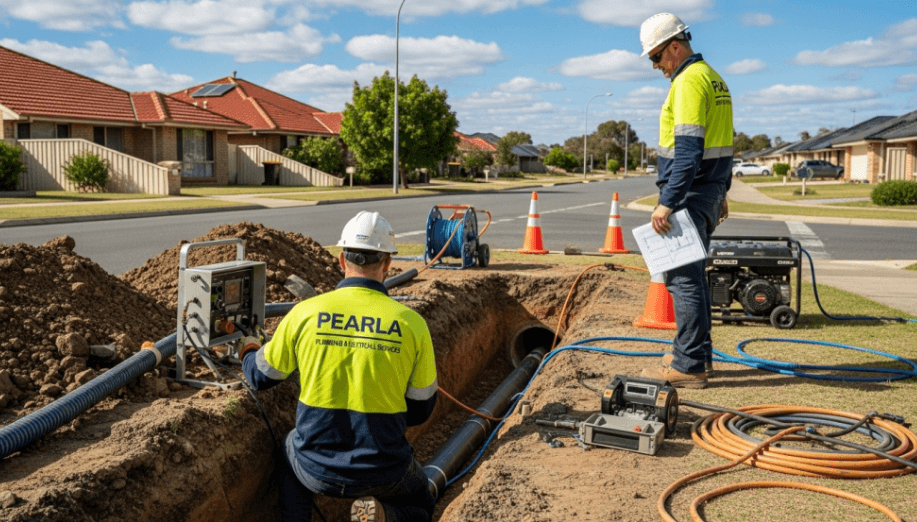
When a plumber recommends a repair method you have not heard of before, it is normal to feel unsure. Many homeowners understand blocked drains, pipe replacement, and excavation, but pipe relining can sound technical or unfamiliar. If you have been told it may fix your damaged drain, you may be wondering what it involves, how it works, and whether it is worth the cost.
Pipe relining is a way of repairing certain damaged pipes from the inside. Instead of digging up the old pipe and replacing it, plumbers install a new internal lining through the existing pipe. Once cured, the lining forms a strong surface inside the old pipe and helps restore flow.
It can be a smart option in the right situation, but it is not suitable for every drainage problem. Understanding the process, benefits, limits, and cost factors can help you make a better decision.
Why Pipe Relining Is Recommended
Plumbers usually recommend relining when the pipe is damaged but still suitable for internal repair. Common situations include cracks, root intrusion, leaking joins, small holes, or older pipes that are allowing waste to catch and block.
The main attraction is reduced excavation. If the damaged pipe sits under a driveway, garden, concrete path, bathroom floor, or landscaped area, digging it up may be disruptive and expensive. Relining can often repair the section through existing access points.
It also helps seal the weak areas where roots or water may be entering. This is important because simply clearing a blockage does not repair the damaged pipe. If the crack remains open, the same issue can return.
How the Process Works
The process usually begins with a CCTV drain inspection. The plumber needs to see the condition of the pipe before recommending relining. This inspection shows whether the pipe is cracked, blocked by roots, sagging, collapsed, or affected by another issue.
Next, the pipe is cleaned. Roots, sludge, grease, and debris must be removed so the liner can sit properly inside the pipe. High-pressure drain cleaning may be used during this stage.
The liner is then prepared and inserted into the damaged section. It is coated with resin and positioned inside the pipe. Once it cures, it hardens into a new internal pipe wall. A final camera inspection may be completed to check the finished repair.
Why It Can Cost More Than Basic Drain Clearing
Drain clearing and pipe relining are not the same thing. Clearing removes the blockage so wastewater can flow again. Relining repairs the damaged section that allowed the problem to occur. This is why the cost is higher than a simple clearing job.
The price can depend on the length of pipe being relined, the pipe diameter, access conditions, preparation work, damage level, and whether several sections need repair. Difficult access or heavy root intrusion can also affect cost.
It is useful to compare relining not only against drain clearing, but against excavation and pipe replacement. Excavation may involve digging, concrete cutting, paving removal, landscaping repair, and surface reinstatement. These extra costs can make replacement more expensive than it first appears.
When the Cost May Be Worth It
Relining may be worth the cost when it prevents repeated blockages, protects finished surfaces, and avoids the need for major digging. If you have already paid for the same drain to be cleared several times, the ongoing cost of temporary fixes can add up quickly.
It may also be worth considering when the damaged pipe sits beneath a valuable or difficult area, such as a driveway, outdoor entertaining area, landscaped garden, or internal floor. Avoiding excavation can reduce disruption and protect the property.
Reliable pipe relining services should explain the reason behind the recommendation. You should be shown the pipe damage, told how the liner will solve the problem, and given clear information about what is included in the work.
See also: Printed Paper Bags Explained: Eco-Friendly Packaging for Modern Businesses
When Relining May Not Be the Right Option
Relining is not suitable for every pipe. If the pipe has collapsed completely, has severe backfall, is badly misaligned, or has major sections missing, internal relining may not work. The liner needs a pipe structure to sit within.
In some cases, only part of the drainage line is suitable for relining. Another section may still need excavation. This is why camera inspection is essential before any final decision.
Be cautious if someone recommends relining without properly inspecting the pipe. A good recommendation should be based on evidence, not guesswork. Ask to see the camera footage and have the issue explained in plain language.
What Questions Should You Ask?
Before agreeing to relining, ask what damage was found and where it is located. Ask how long the relined section will be and whether the whole pipe or only one section needs repair. You should also ask whether the drain will be cleaned first and whether a final inspection will be done.
Ask about access points and whether any digging is required. While relining is often less invasive than replacement, small access works may still be needed in some cases.
It is also reasonable to ask about warranty, expected lifespan, and what could cause future problems. A clear explanation helps you decide whether the cost makes sense for your property.
How to Think About Value
The value of relining comes from solving the cause, not just clearing the symptom. If your pipe has root intrusion or cracking, repeated clearing may keep the drain working temporarily, but it will not seal the pipe.
Relining can provide long term value when it stops recurring blockages, protects property surfaces, and reduces future emergency callouts. However, it must be used in the right situation and installed properly.
The best decision comes from comparing all options. Ask what happens if you do nothing, what clearing alone will achieve, what excavation involves, and how relining compares.
Conclusion
Pipe relining can sound unfamiliar, but the idea is straightforward. It repairs suitable damaged pipes from the inside and can reduce the need for digging. It is often recommended for cracked, root damaged, or leaking pipes where excavation would cause major disruption.
Whether it is worth the cost depends on the pipe condition, damage location, access, and how often the problem has returned. Do not approve any repair without a proper inspection and clear explanation.
If your plumber has recommended relining, ask for the camera findings, repair options, and full cost comparison. A well explained decision today can save you from repeated blockages and larger disruption later.