There is a quiet shift happening in how people manage their digital lives, and it is showing up in a very specific way: more and more people are running two WhatsApp accounts. Not because they are hiding anything, and not because they have two phones. Simply because they have realised that handing out their personal mobile number to everyone who needs to reach them on WhatsApp is not something they actually have to do — and that the alternative, a virtual number that runs alongside their regular SIM, solves a set of problems they had been tolerating for years without realising there was a fix.
If you have ever given your real number to a marketplace seller, a Gumtree buyer, a date you were not sure about, a new client, or a landlord — and then spent the following months wondering how to get out of the conversation you accidentally created — this is the article you have been waiting for.
What a WhatsApp Virtual Number Actually Is
A virtual number is a phone number that exists independently of any physical SIM card. It is assigned to you by a service provider and routed through an app or a web interface rather than through your mobile network. Calls and messages sent to that number reach you just as they would on a normal number; the crucial difference is that the number itself is not tied to your identity in the same way your personal mobile number is. You can use it, share it freely, and if circumstances change, you can replace it without any of the disruption that comes with changing your actual phone number.
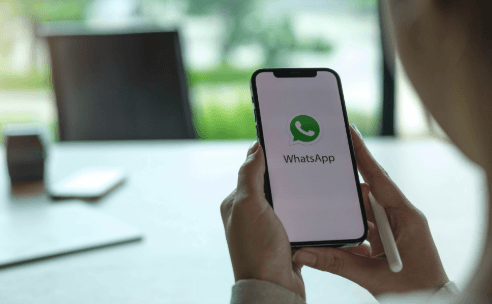
WhatsApp requires a phone number to create an account. For most people, that has always meant using their personal mobile — the one registered in their name, linked to their bank, known to their employer, and memorised by their mother. A virtual number breaks this link. You register a second WhatsApp account using the virtual number, and that account exists entirely separately from your primary one. It has its own profile, its own contact list, and its own message history. People who contact you on it know the virtual number and nothing else about your actual phone setup.
The setup is straightforward: you get the virtual number, receive the WhatsApp verification code at that number, complete registration, and you have a fully functional second WhatsApp account. Most people have it running within a few minutes.
The Everyday Reasons People Do This
Ask ten different people why they got a virtual WhatsApp number and you will get ten slightly different answers, but they cluster around a handful of recurring themes.
Marketplace selling is probably the most common trigger. If you regularly sell items on Facebook Marketplace, eBay, Vinted, or similar platforms, you have almost certainly given your personal WhatsApp number to strangers more often than feels comfortable in retrospect. A virtual number creates a clean boundary: buyers and sellers get a number that works perfectly for the transaction and no more. When the item is sold and the conversation is done, the exposure ends there.
Freelancers and self-employed people use virtual WhatsApp numbers to manage the boundary between work and personal life. Being available to clients is important; being available to clients at eleven on a Friday night because they have your personal number is a different matter entirely. A second WhatsApp number for work means you can be genuinely responsive during working hours and genuinely unavailable outside them, without the awkwardness of explaining to a client why you are not replying to messages sent to your personal account.
Online dating is a context where virtual numbers have become genuinely popular, for reasons that are easy to understand. Meeting someone new involves a degree of trust that is not always immediately warranted, and sharing your permanent personal number with someone you have just matched with is a commitment of personal information that you might later wish you had held back. A virtual number allows you to communicate freely through WhatsApp — which is where many people prefer to move conversations from a dating app — without giving away contact details that would be difficult to revoke if the connection does not work out.
Two WhatsApp Accounts on One Phone: How It Works Practically
Until relatively recently, running two WhatsApp accounts on a single device required either a dual-SIM phone, a third-party app of questionable reliability, or the minor inconvenience of carrying two phones. WhatsApp’s own multi-account feature, introduced in 2023, changed this: the official app now supports switching between accounts natively, which means managing two accounts on one phone has become a normal and supported experience rather than a workaround.
The practical experience is that your primary account — the one your friends and family use — operates exactly as it always has. The virtual number account sits alongside it, accessible through the same app with a simple account switch. Notifications for each account are separate, so you always know which number a message has come to. Most people find that after a few days of using both, the switching becomes entirely automatic.
WhatsApp’s own privacy settings — which are worth understanding in detail before you configure either account — allow you to control who can see your profile photo, your last seen status, and your phone number within the app. Used carefully, these settings add a further layer of control over what information each contact can access.
What to Look For When Choosing a Virtual Number Provider
Not all virtual number services are created equal, and a few specific features matter if the number is primarily going to be used for WhatsApp. The most important is reliable SMS delivery for the verification code that WhatsApp sends when you register a new account. Some cheaper virtual number services use numbers that WhatsApp has blocked or flagged, which means the verification code never arrives and the registration fails. Using a reputable provider with numbers specifically confirmed to work with WhatsApp avoids this frustration entirely.
Country code is another consideration. If you want a UK number for a UK audience, ensure the provider offers UK numbers rather than requiring you to use a number from another country, which can look unusual to people you are sharing it with and may attract unnecessary questions. Most providers offer a range of country codes; choosing one that matches your actual location keeps things simple.
For a clear explanation of how this works in practice — including the technical details of registering WhatsApp with a virtual number for WhatsApp and what to expect from the process — it is worth reading through the detail before you start, to make sure your setup goes smoothly first time.
See also: Smart Traffic Management Technologies
The Number You Give Out vs The Number You Keep
There is something quietly reassuring about having a phone number you can share freely without any of the usual anxiety about who has it and what they might do with it. For the permanent personal number — the one on your bank account, your NHS records, your insurance, your pension — you maintain complete control over who holds it and it remains genuinely private. For everything else: the transaction, the date, the new client, the social media profile, the competition entry, the form that requires a contact number — there is the virtual number, which works perfectly for all of those purposes and which you remain genuinely in control of.
It is a small change to how you manage your digital identity. The people who have made it tend to find it difficult to remember why they did not do it sooner.