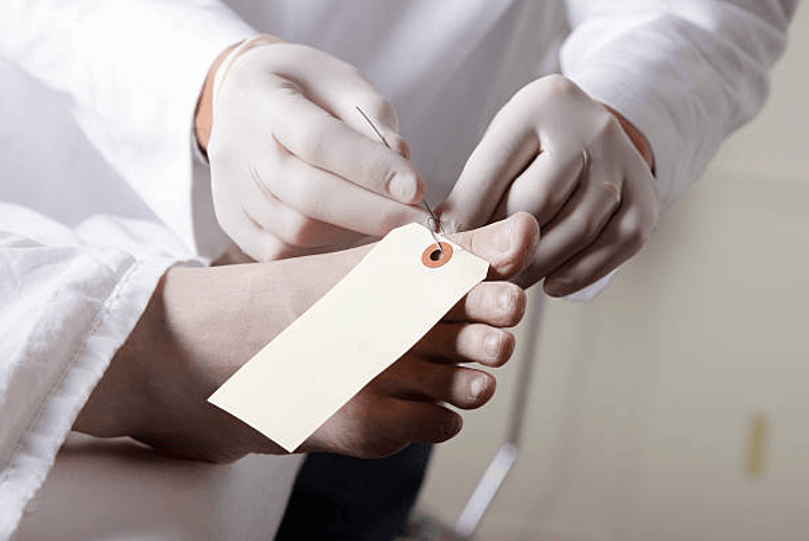
Medical schools once struggled with cadaver shortages forcing students to share specimens or rely on alternatives that limited hands-on learning. That gap hurt training quality leaving future doctors less prepared for real surgeries. Body donation fills this need by directly supporting anatomy education nationwide. Institutions depend on donor generosity to teach precision skills effectively.
People often wonder how to donate a body to science and what impact their selfless gift will create for medical progress. Registration takes minutes through programs connecting donors with schools and research facilities. Families gain closure knowing the contribution will help to train doctors who will be able to save lives later. That legacy turns personal choice into widespread educational benefit.
Cadaver Shortages Once Crippled Training
Anatomy Labs Faced Real Limits: U.S. medical schools needed 6,500 bodies yearly but received only 4,500 in recent years creating a 30% shortfall. Students dissected fewer specimens gaining less muscle memory for surgeries ahead. Donor programs now bridge gaps ensuring every class gets adequate hands-on practice time.
Regional Disparities Hit Hard: Southern states donate 40% less per capita than Northeast due to cultural hesitations around death. Schools there imported cadavers raising costs and logistics issues significantly. Local donation drives cut transport fees letting programs focus budgets on education instead.
Donor Age Shifts Demographics: Average donor age climbed to 78 from 65 years over the last decade reflecting healthier ageing population patterns. Younger donors declined 15% as families chose cremation more frequently lately. Programs adapt messaging targeting middle-aged adults planning ahead thoughtfully.
Stats Show Training Impact
Future Doctors Gain Direct Benefit: 20,000 anatomy students train annually using donated bodies across 150 U.S. medical programs. Each body teaches 4-6 students over semester providing irreplaceable 3D understanding of human anatomy. Virtual tools supplement but cannot replace tactile learning experience fully.
Surgical Skills Improve Markedly: Studies show hands-on cadaver training boosts surgical competency 25% versus simulation-only methods alone. Students identify structures 40% faster after real dissections versus computer models. That edge translates to safer patient outcomes years later consistently.
Research Applications Multiply Fast: Donated bodies support 15,000 surgical device tests yearly advancing implants prosthetics medical robotics fields. Anatomical gift act ensures ethical distribution to universities hospitals research centers nationwide. Innovations reach patients faster through validated human tissue testing.
Key Donation Numbers Track Progress: Donation rates reveal trends shaping medical education future clearly.
- 65% of bodies go to medical schools training future physicians directly.
- 25% support surgical residency programs honing specialist skills.
- 10% fuel research developing life-saving medical technologies.
- 95% of families report a positive experience with the donation process.
Hands-On Learning Sharpens Precision
Muscle Memory Builds Confidence: Students trace nerves vessels through actual tissue learning spatial relationships computers cannot replicate. Dissection reveals variations across bodies teaching adaptability surgeons need daily. Virtual reality helps but real scalpel work creates instincts lasting a career lifetime.
Teamwork Skills Develop Naturally: Group dissections mirror operating room dynamics forcing communication under pressure effectively. Students learn roles and delegate tasks to solve unexpected anatomical findings together. That collaboration prepares graduates for hospital realities beyond textbooks significantly.
Pathology Insights Emerge Vividly: Diseased organs show progression patterns textbooks describe but cannot convey fully. Students correlate symptoms with physical changes gaining diagnostic intuition early. Real cases build pattern recognition essential for clinical practice later confidently.
Rare Conditions Gain Exposure: Donors with unique pathologies let students study conditions affecting 1% of the population typically. Cadaveric dissection reveals disease effects impossible to simulate accurately. Future doctors recognize rare presentations saving diagnostic time in practice.
Legacy Extends Beyond Classroom
Prosthetic Testing Saves Lives: Donated limbs test implants ensuring fit function before human trials begin safely. Engineers refine designs based on realistic bone muscle interactions found only in real tissue. Patients receive better devices years sooner through validated development.
Surgical Simulation Evolves Quickly: Residency programs use cadavers for crisis drills practicing high-stakes procedures repeatedly. Trainees master techniques under realistic conditions building muscle memory steadily. Patient safety rises as less experienced hands enter real operating rooms.
Family Closure Finds Meaning: 92% of donor families feel pride knowing contribution trained specific doctors later. Programs share anonymized stories showing impact on students who cared for loved ones. That connection transforms grief into purposeful legacy enduring generations.
See also: How to Pick a Physio Table That Fits Your Practice
Donor Programs Bridge Critical Gaps
Registration Streamlines Generosity: Simple online forms lock in wishes preventing family confusion during grief moments. Pre-planned donation bypasses estate delays ensuring the body reaches programs promptly. Families execute final wishes confidently without legal hurdles slowing the process.
Ethical Handling Builds Trust: Strict protocols govern transport storage respecting donor dignity throughout educational use. Families receive certificates honoring contributions displayed proudly at home often. Transparency encourages more registrations creating sustainable supply for training needs.
Outreach Targets Underserved Areas: Campaigns address cultural barriers in low-donation regions through community education events regularly. Testimonials from diverse families normalize process dispelling myths effectively. Participation rises 20% yearly in targeted neighborhoods steadily.
Education Powered By Purpose
Body donation sustains medical training transforming theoretical knowledge into life-saving skills future doctors carry forward. Statistics prove donor impact reaches thousands annually through better-prepared healthcare professionals. Families considering anatomical gifts find meaning in lasting legacy so they consider registering donation intent today.